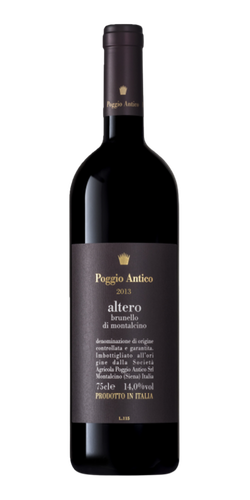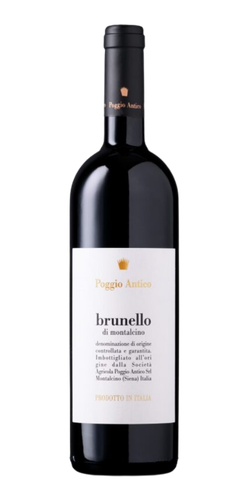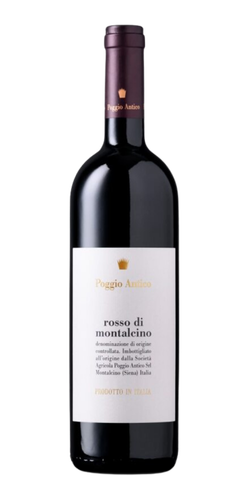



Poggio Antico
History
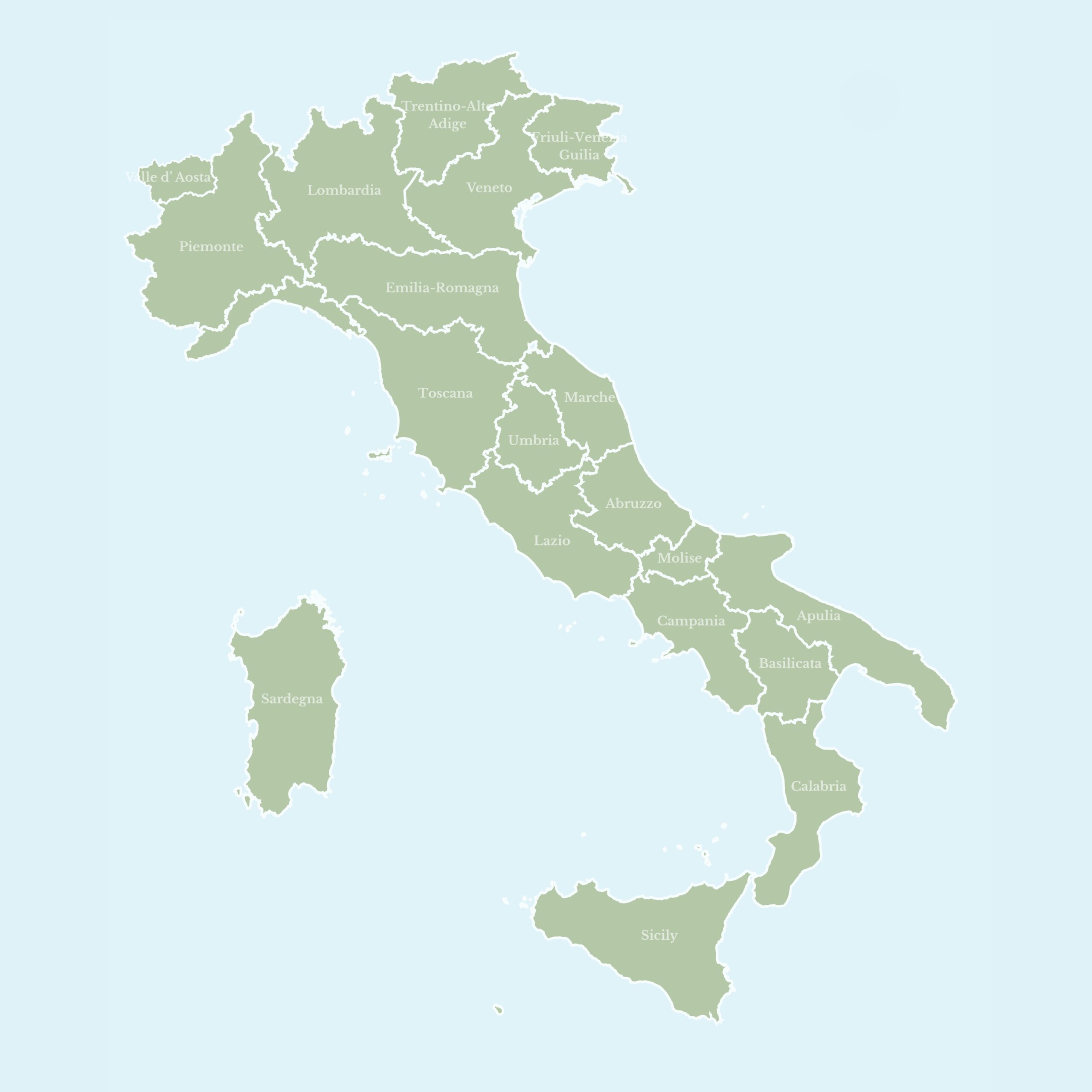
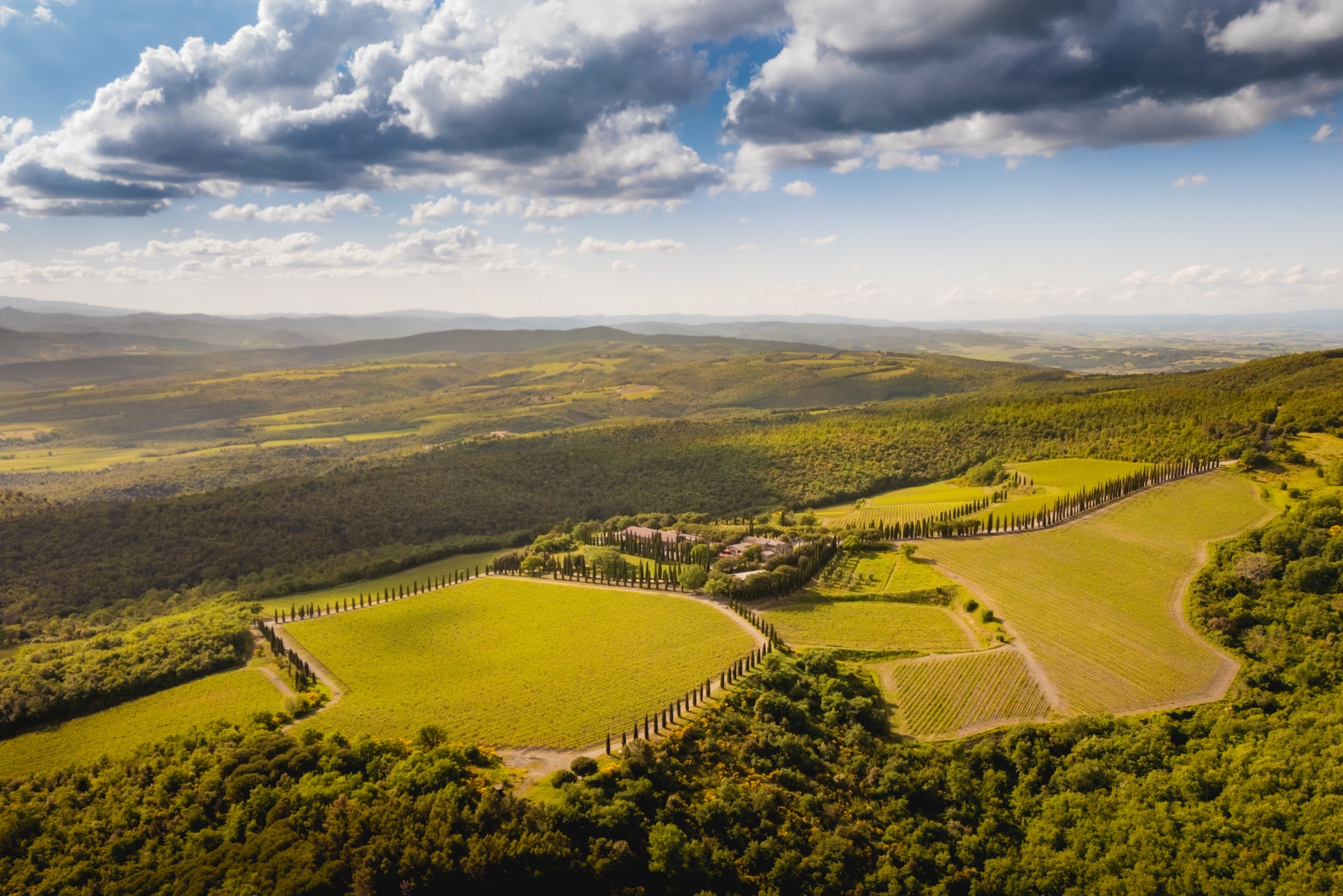
Founded in 1976, Poggio Antico has grown into one of Montalcino’s most cherished names, a place where tradition and vision intertwine. Just four kilometers from the medieval heart of Montalcino, the estate stands as a meeting point between the timeless elegance of Brunello and the quiet innovation of a new era. Since 2017, the estate has been guided by dedicated new owners, whose investments in the vineyards and cellar have deepened its legacy.
Organic farming, embraced in 2020, reflects a commitment not only to the land but to the generations yet to tend it. Poggio Antico’s story is one of refinement, respect, and the patient artistry that transforms Sangiovese into liquid history.
The Vineyards
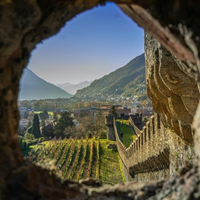
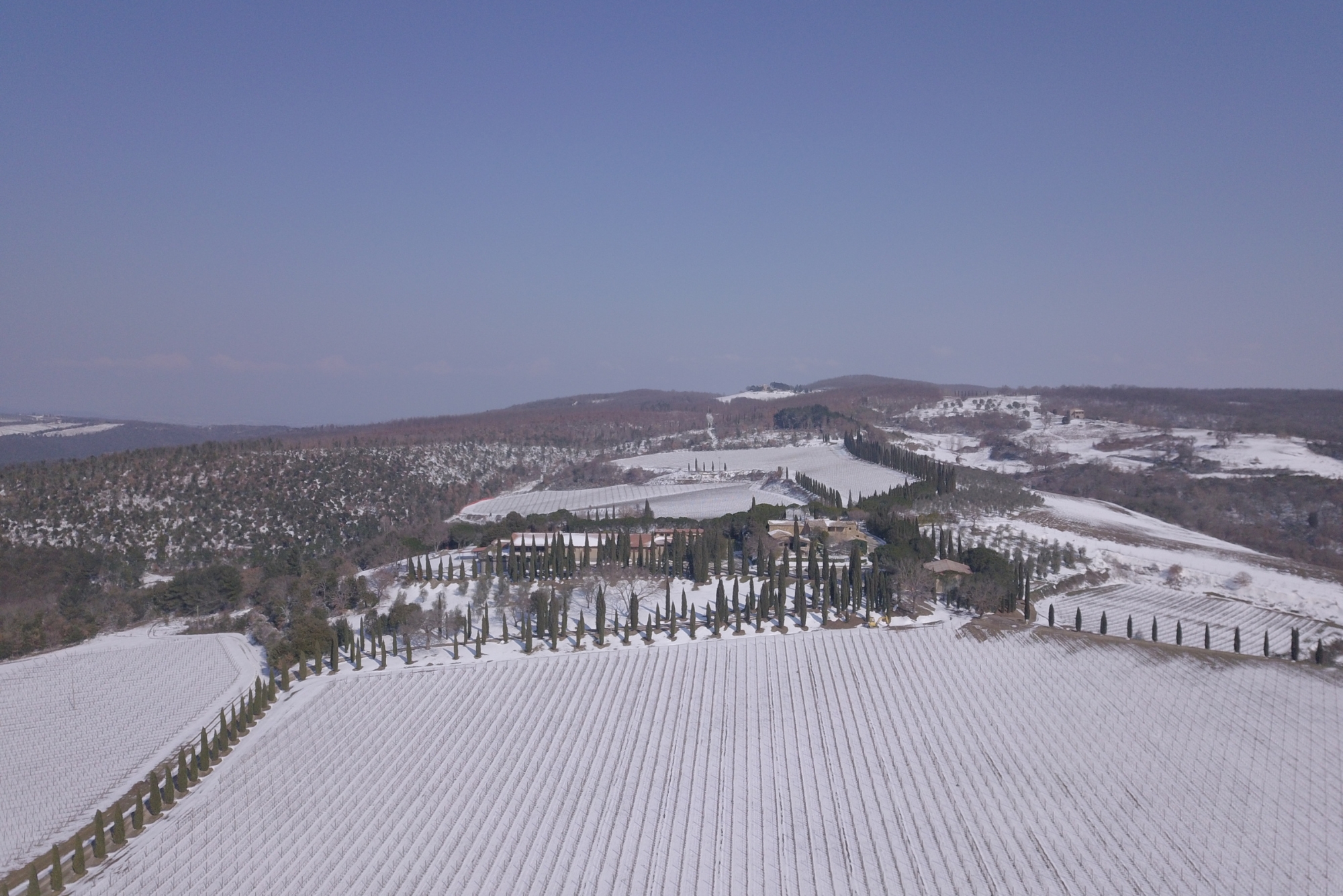
Perched at the very highest point of the Montalcino area, the vineyards of Poggio Antico stretch across rolling hills that climb to nearly 500 meters above sea level. Here, breezes carry the scent of the Mediterranean, and the sun lingers gently, allowing grapes to ripen slowly, gathering layers of aroma and grace. The soils—an ancient mosaic of calcareous rock, galestro marl, limestone, silty clays, and sandstone—test the vines and gift the wines with a quiet complexity.
Every slope, every contour tells its own story, mapped into 15 micro-terroirs and 6 larger Soil Units, each vinified separately to preserve its individual voice. Since 2020, the land has been nurtured through fully organic practices—natural fertilization, year-round grass cover, and careful, manual work—ensuring the earth remains alive, resilient, and generous.
The Cellar
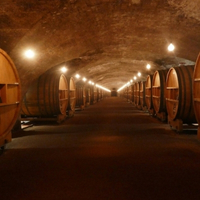
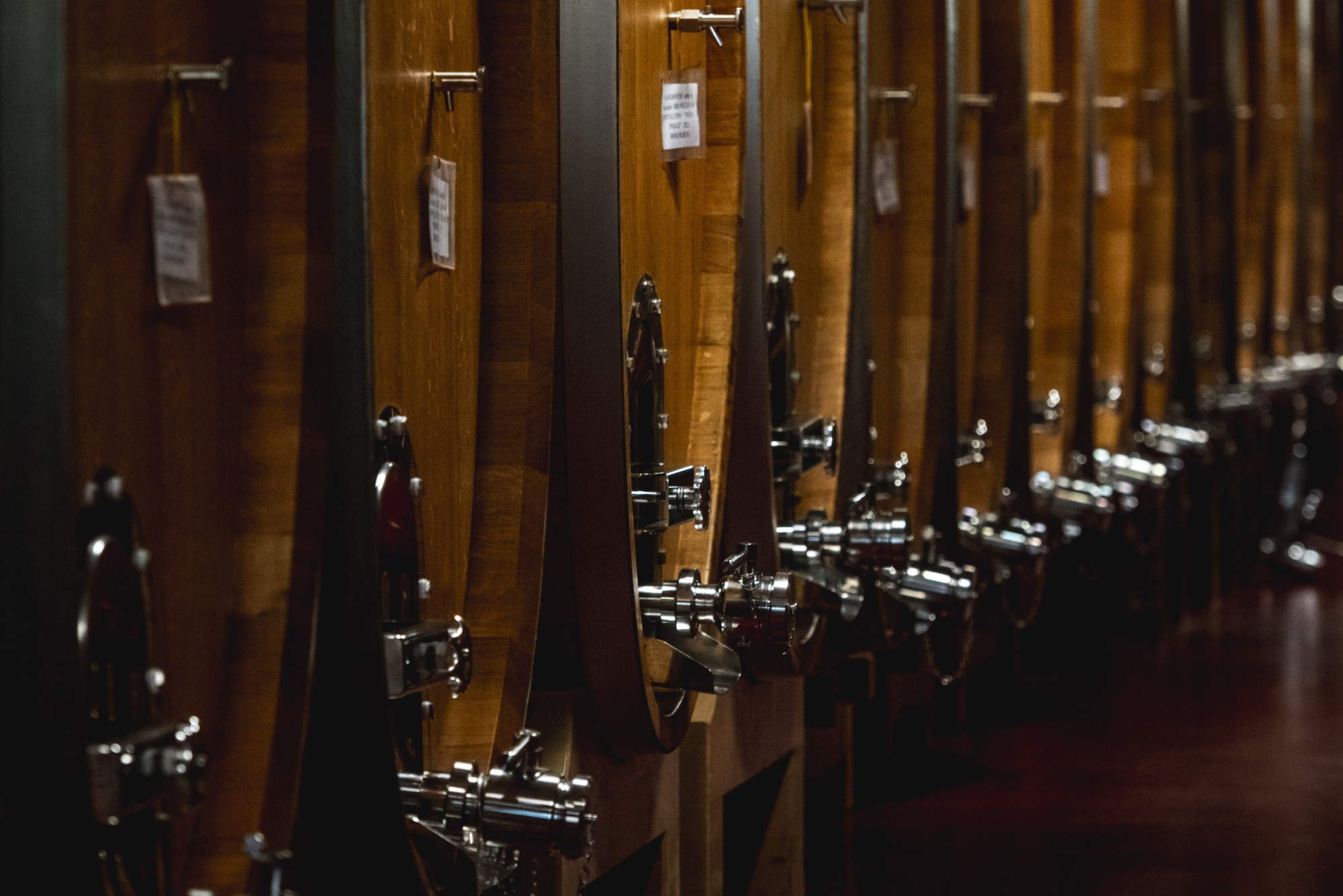
The cellar of Poggio Antico is a place of calm and contemplation, where the elements gathered in the vineyard are shaped into wines of precision and depth. Each Soil Unit is given its own space and time, fermenting in temperature-controlled vessels that protect its distinct character.
Aging takes place in a careful balance of large Slavonian oak casks and refined French tonneaux, allowing structure and elegance to weave together. In this serene, echoing space, geology becomes symphony, and the whisper of the hills transforms into the enduring voice of Brunello.