
Maculan
History
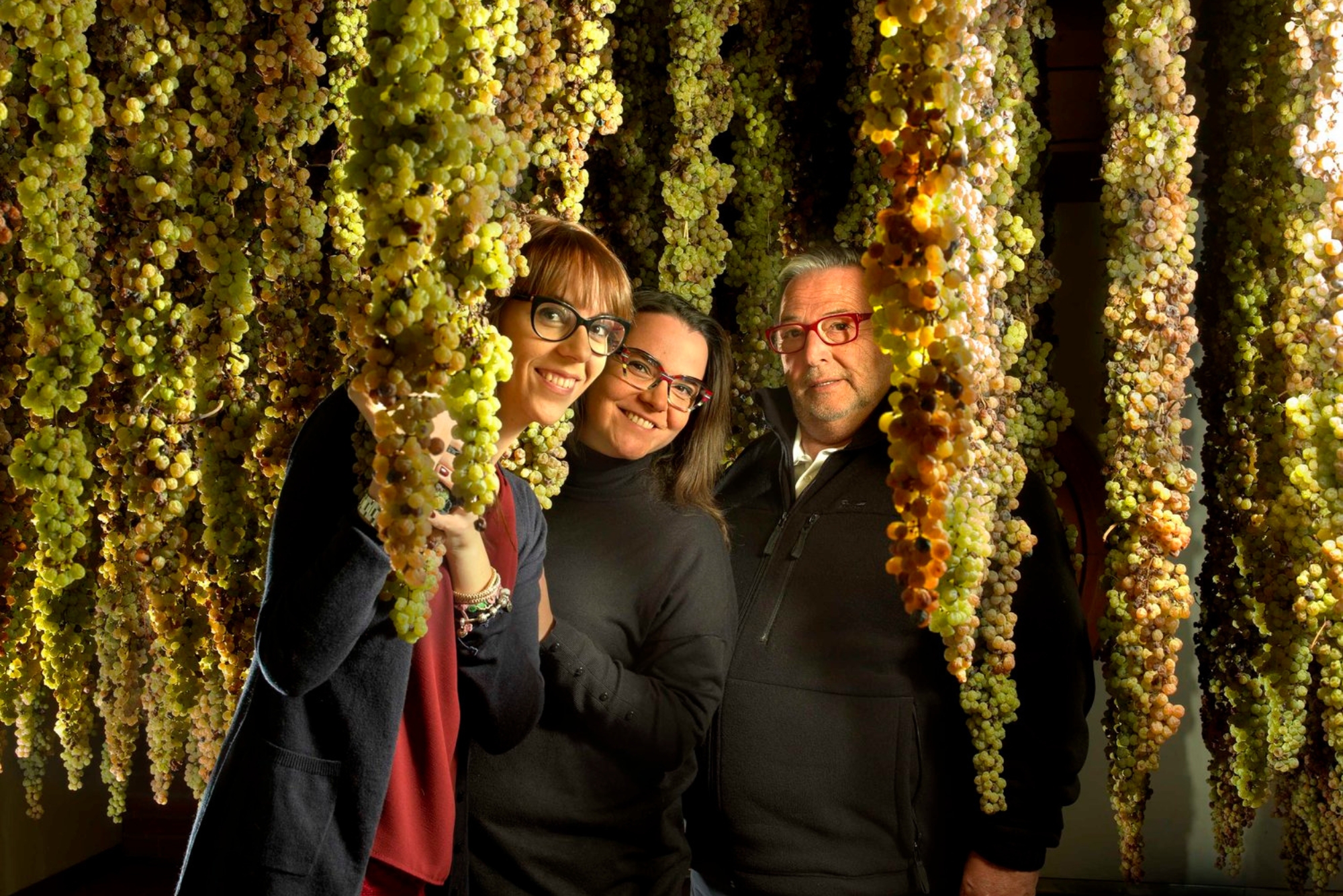
The Maculan story began in 1947 when Giovanni Maculan founded the winery in the historic centre of Breganze. His son, Fausto Maculan, seemed destined for winemaking as he was born in the very space that would become his office. By age 13, he was already working in the cellar and visiting customers. After graduating from the School of Oenology in Conegliano, Fausto took over in 1973 and transformed the winery’s approach, shifting the focus from volume to quality with innovations like vineyard replanting, use of barriques, and modern bottling practices.
Through decades of study, international travel, and bold experimentation, Fausto elevated Breganze wines onto the world stage. Today, after over 50 vintages, he continues to lead the winery with his daughters Maria Vittoria and Angela, sustaining a legacy built on passion, precision, and family tradition.
The Vineyards
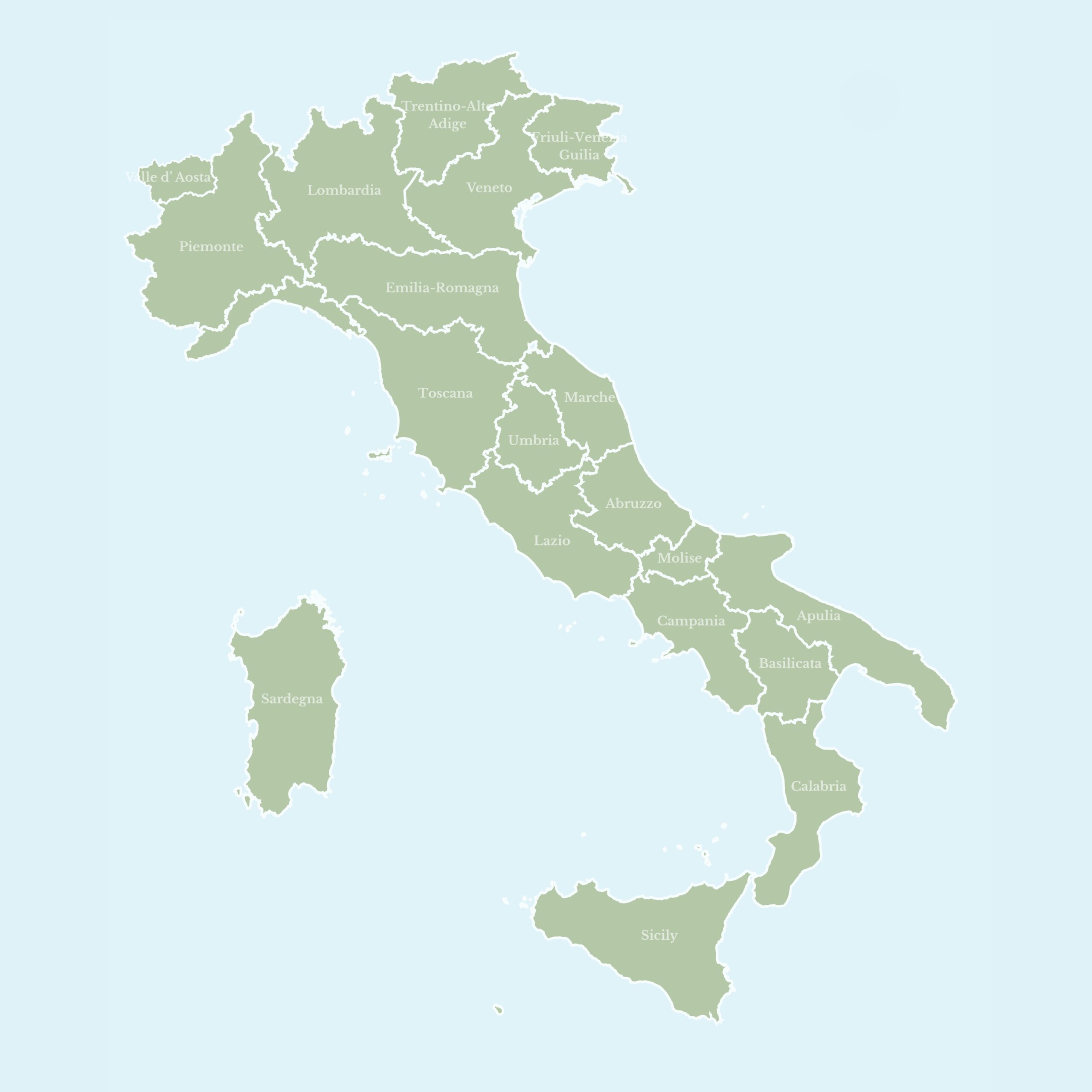
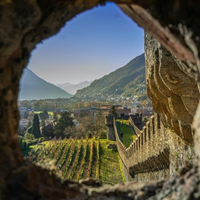
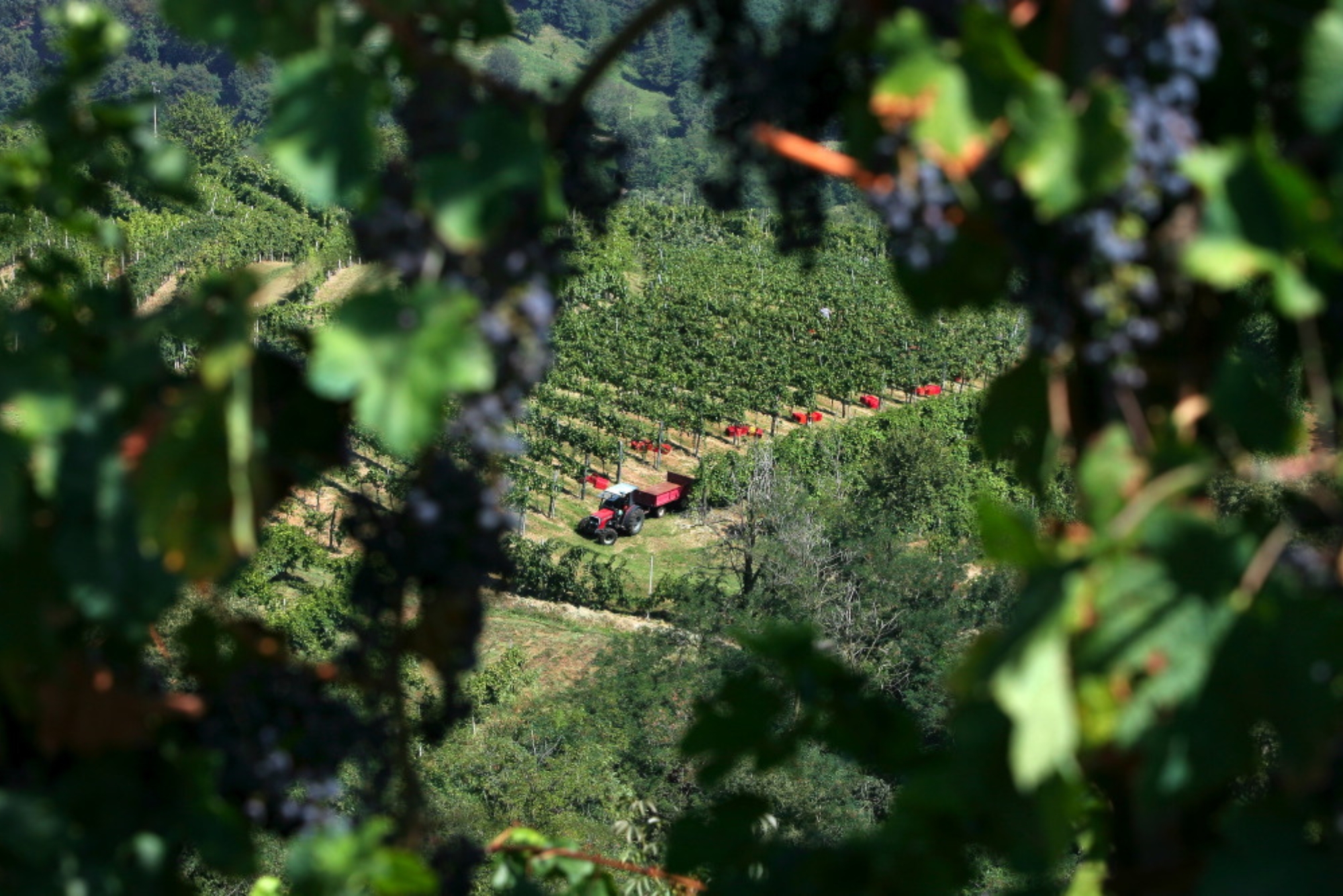
All Maculan’s vineyards are located within the Breganze DOC, on the volcanic foothills of the Asiago Plateau in the province of Vicenza. Soils here are predominantly volcanic tuff and basalt, providing excellent natural drainage and imparting minerality and structure to the grapes—particularly suited to Cabernet Sauvignon, Merlot, Chardonnay, Tai, and the native Vespaiola grape.
Maculan directly manages around 35–40 hectares of vineyards, supplemented by grapes from selected growers across the Breganze area. This network of plots allows careful control over quality and terroir expression in every bottle.
The Cellar
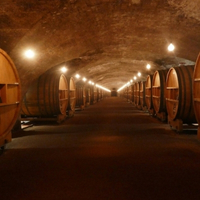
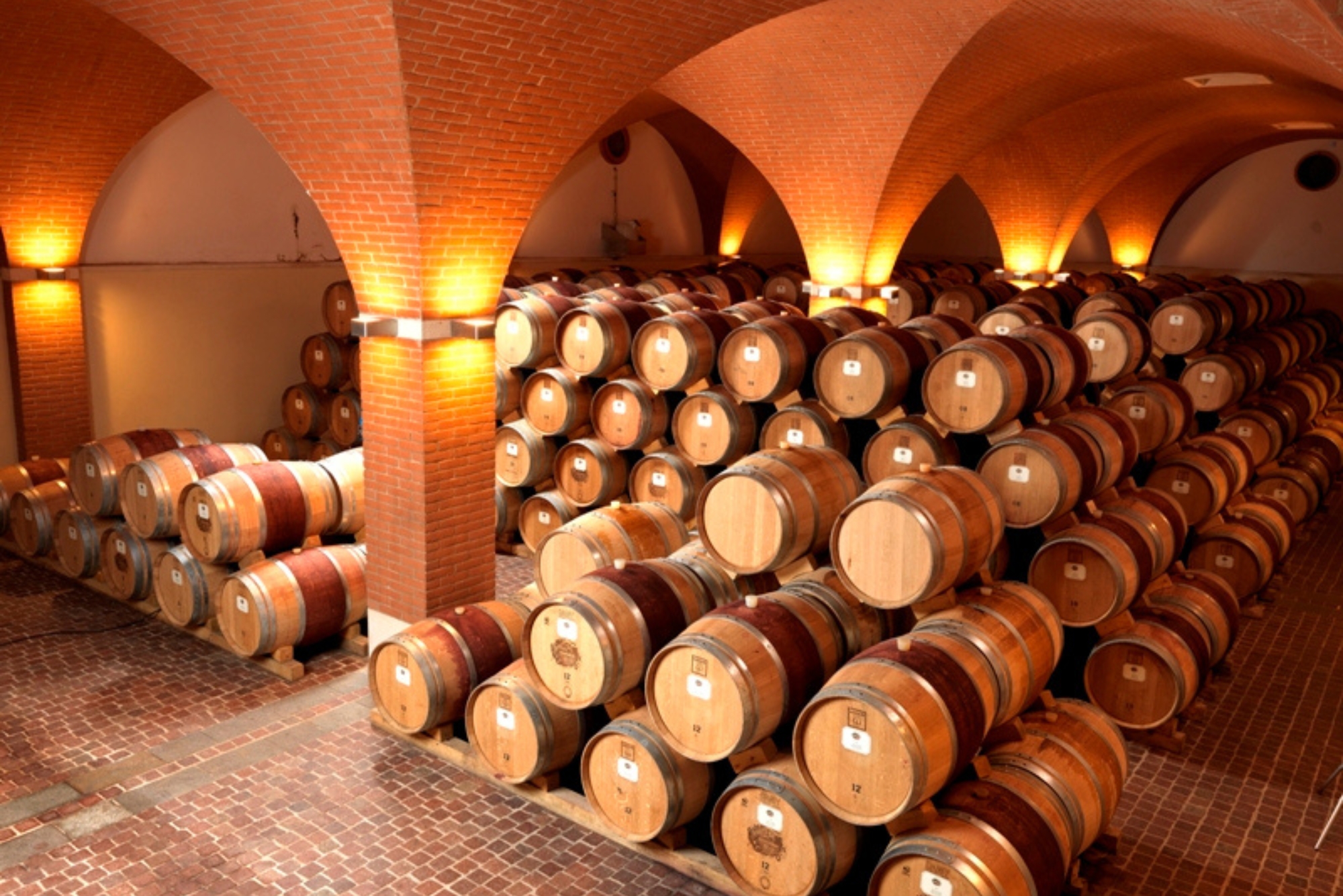
Situated in the historic centre of Breganze, the Maculan cellar blends tradition with technological innovation. It comprises a series of rooms arranged for each stage of winemaking, culminating in a dedicated archives area that preserves bottles from vintage releases dating back to the late 1970s, Maculan’s historical memory in physical form
Equipped with modern production technology, including stainless steel vessels and barrel aging facilities, the cellar reflects the winery’s commitment to precision and experimentation while maintaining respect for traditional methods. Its atmosphere is a narrative space, marrying the legacy of past pioneers with contemporary winemaking vision.
Wines from Maculan
-
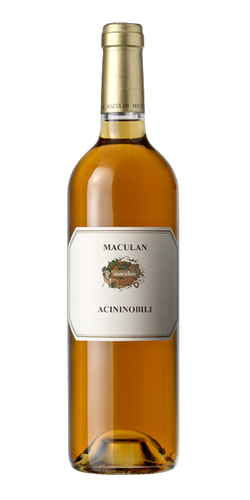
Acininobili IGT Veneto Bianco Passito (Botrytis) 2015
-
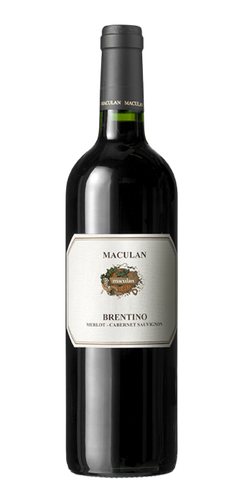
Brentino IGT Breganze Rosso 2020
-
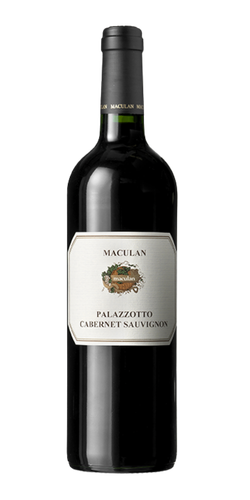
Palazzotto Breganze DOC 2018
-
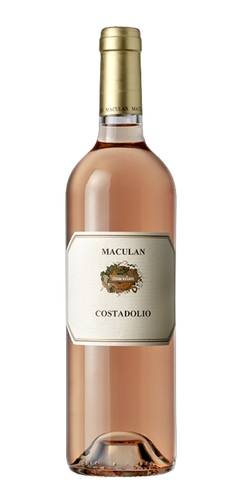
Costadolio IGT Veneto Rosè 2022
-
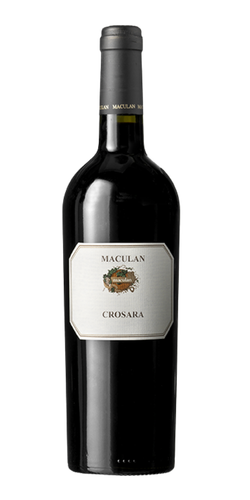
Crosara Breganze DOC 2017
-
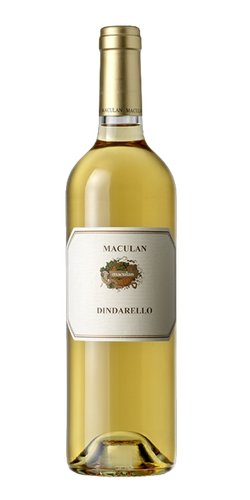
Dindarello IGT Veneto Bianco Passito 2018
-
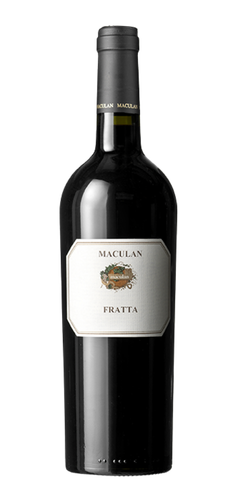
Fratta IGT Veneto Rosso 2015
-
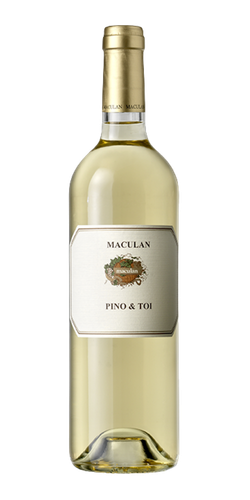
Pino & Toi IGT Veneto Bianco 2019
-
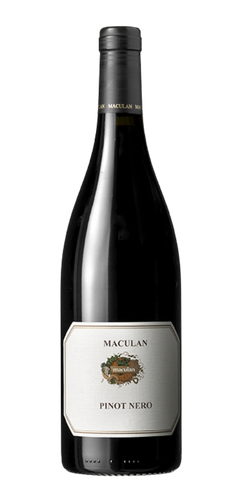
Pinot Nero Breganze DOC 2021
-
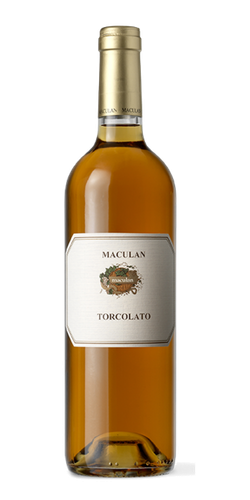
Torcolato Breganze DOC 2018