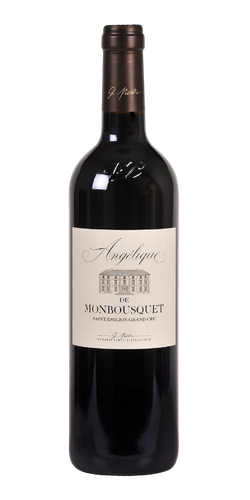

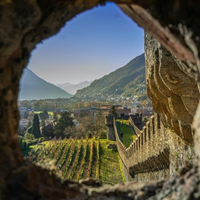


Chateau Monbousquet
History
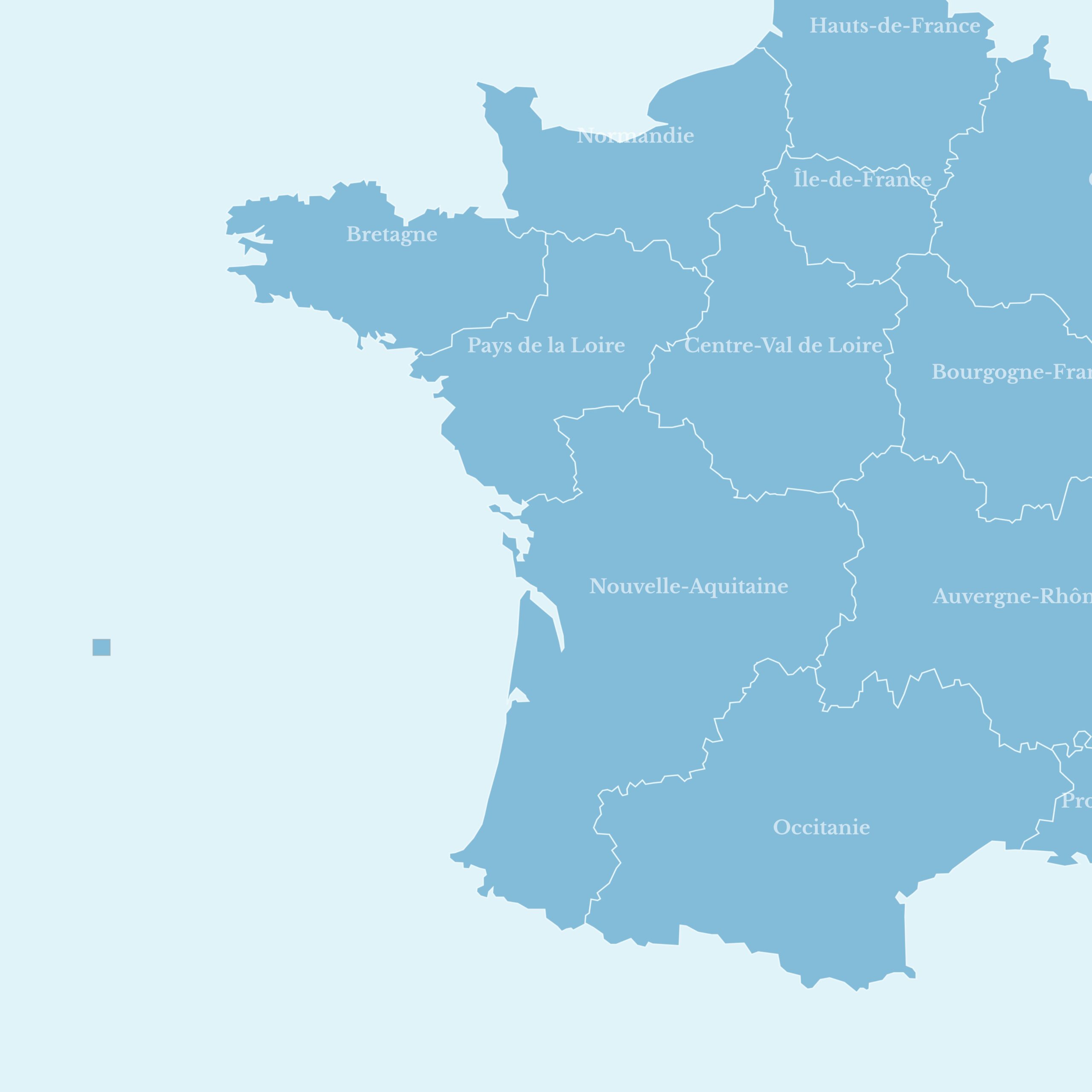
Château Monbousquet traces its origins to the 16th century, reflecting a long-standing presence within its region. Over time, the estate has developed a reputation grounded in the quality of its vineyard sites and the distinctiveness of its soils.
A significant milestone occurred in 1998, when the property underwent drainage works to a depth of 2.4 metres. This intervention was carried out to improve soil conditions and optimise vine health, reinforcing the estate’s commitment to long-term vineyard management.
The Vineyards
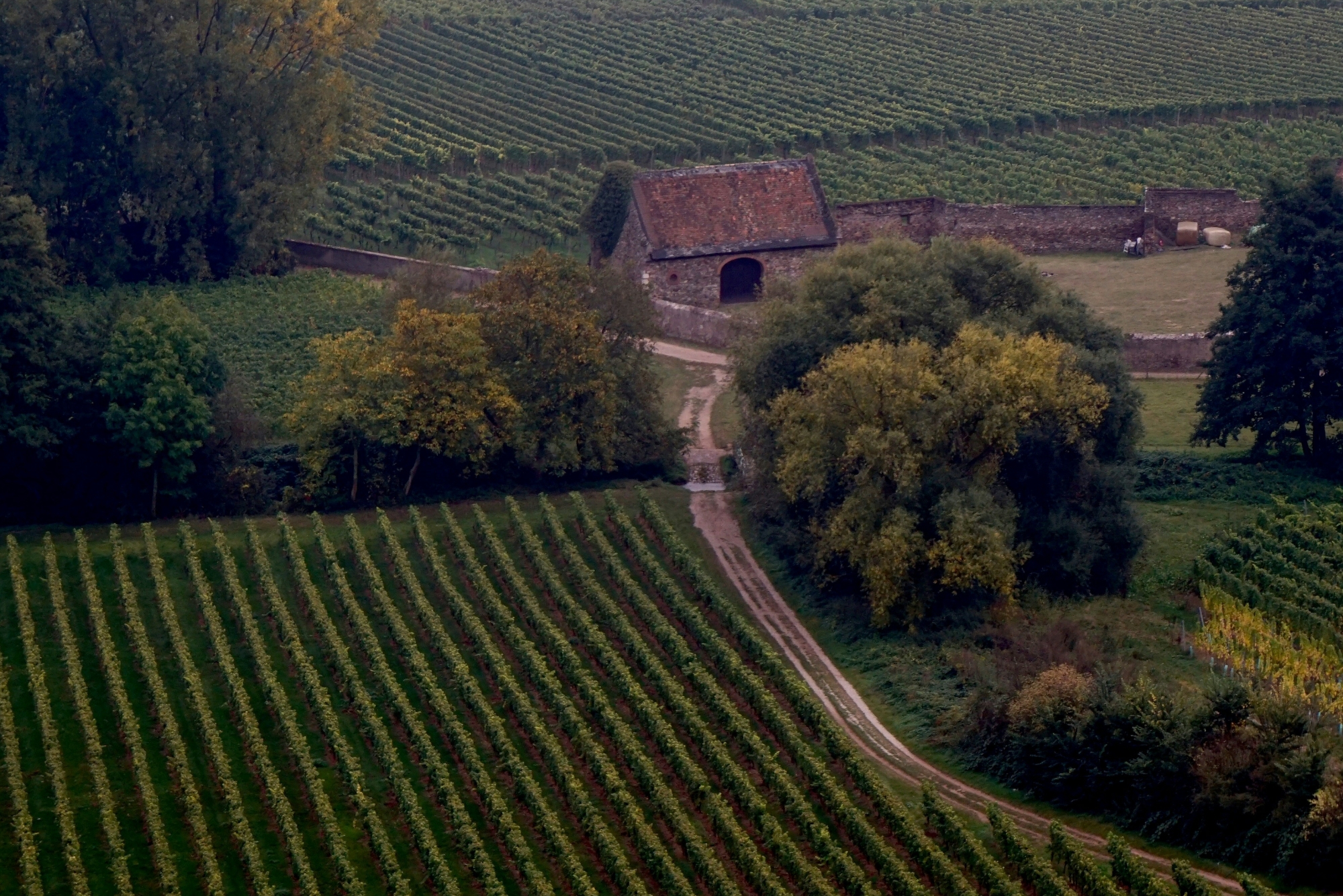
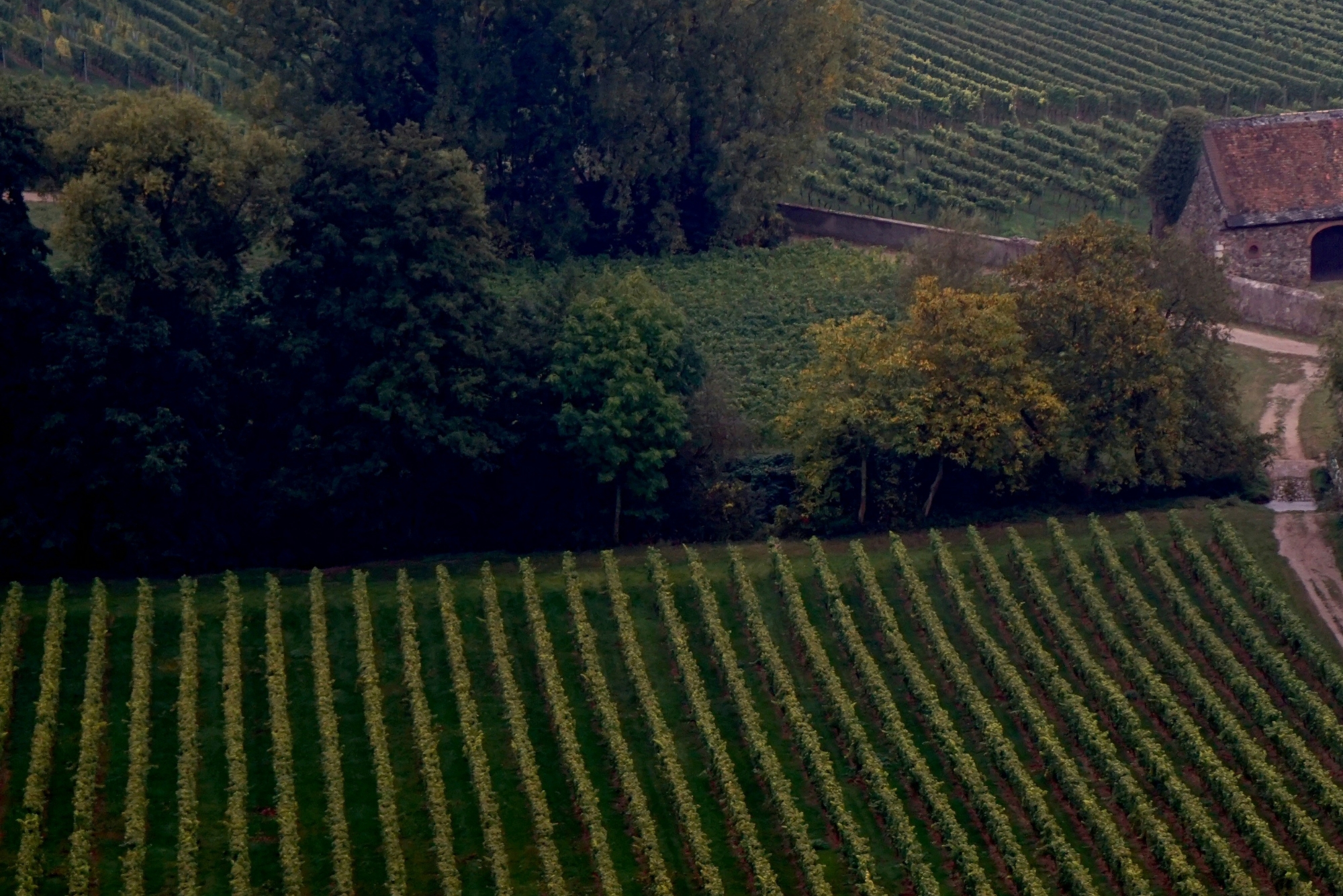
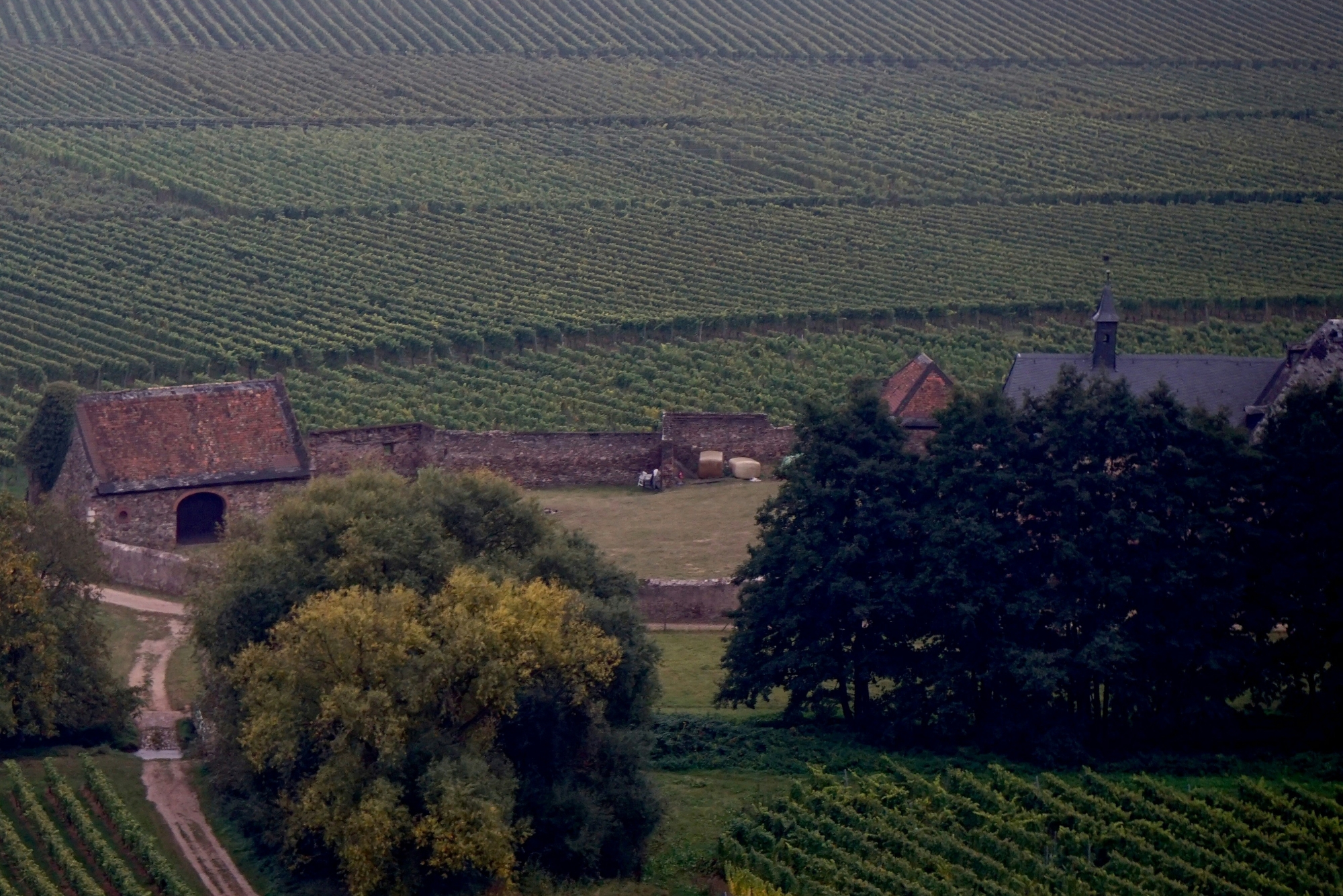
The vineyard of Château Monbousquet extends across approximately 32 hectares. The estate benefits from a varied and exceptional terroir, with warm, deep gravel soils to the south and sandy-clay soils to the north. These conditions favour the ripening of Cabernet varieties and support a vineyard composition with a high proportion of these grapes.
The soils share similarities with the prestigious gravelly formations found in nearby renowned estates such as Cheval Blanc and Figeac. The vineyard lies on ancient quaternary alluvial formations, with gravel deposits estimated to date between 10,000 and 700,000 years old. These deposits are enriched by clay and intersected by a vein of iron-pan, contributing further complexity to the soil profile. The principal grape varieties cultivated are Merlot, Cabernet Franc, and Cabernet Sauvignon.
The Cellar
With an annual production of approximately 100,000 bottles, Château Monbousquet maintains a scale that allows careful management from vineyard to bottle. The estate’s work in the cellar follows the same focus on quality and precision established in the vineyard, ensuring that the character of its diverse soils is faithfully expressed.