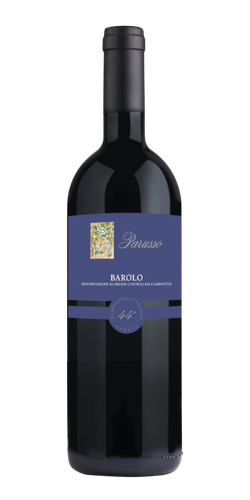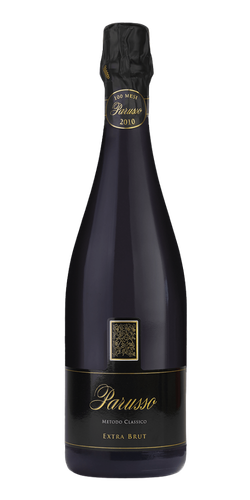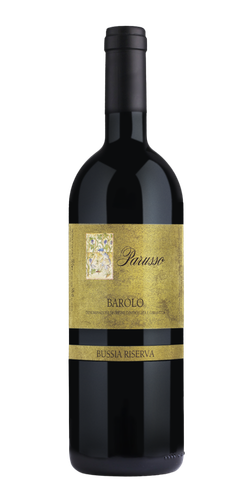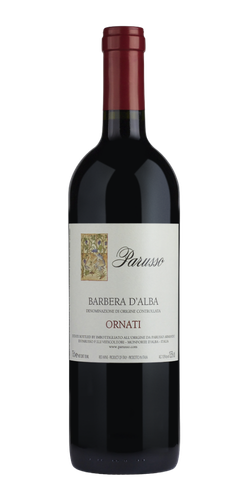

Parusso
History
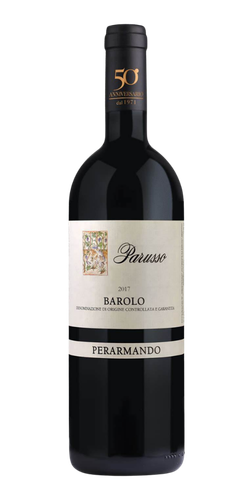
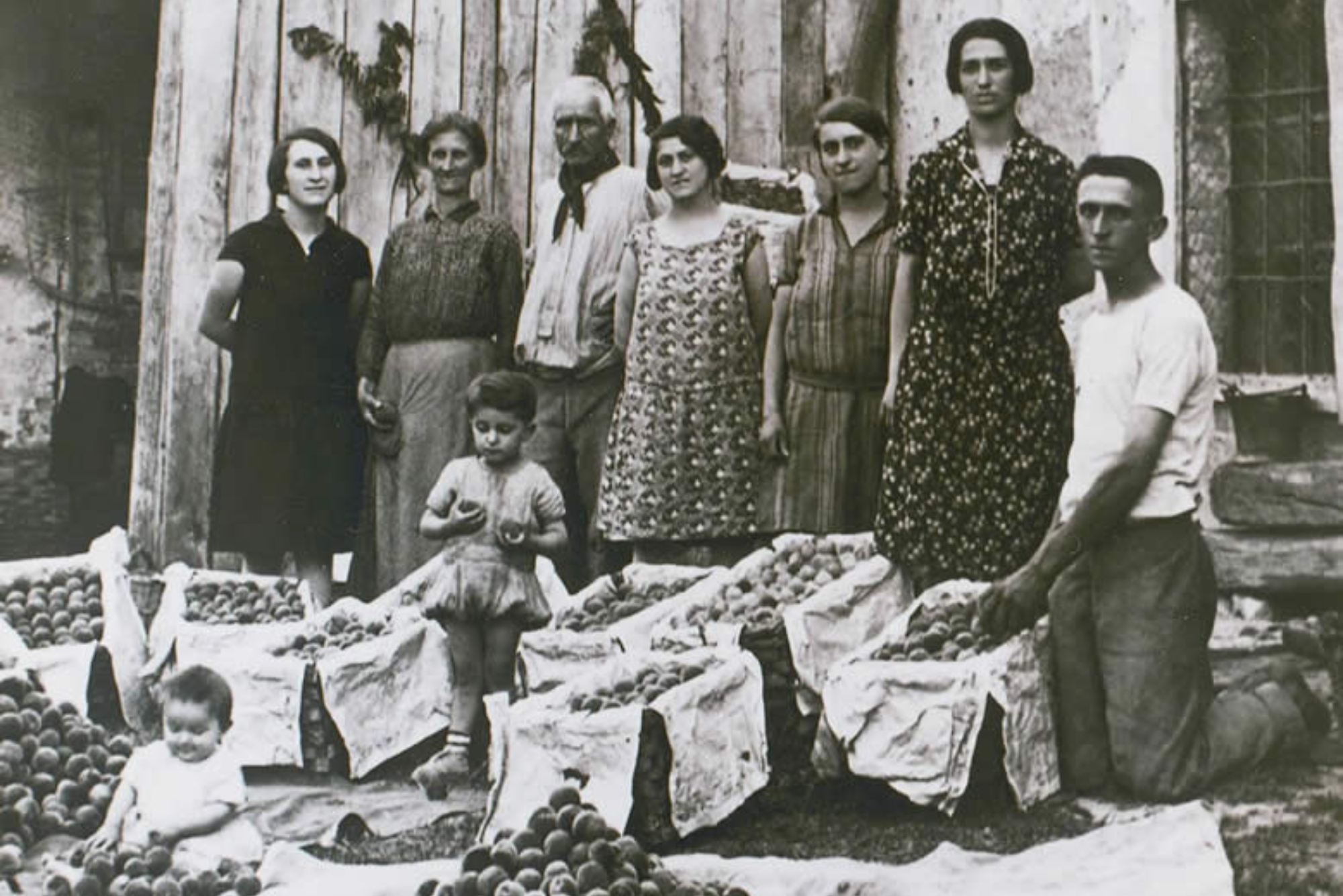
The Parusso story began in 1901 when Gaspare Parusso acquired the first vineyard in Mariondino, Castiglione Falletto. In 1925, the family purchased Cascina Rovella in Bussia, Monforte d’Alba, where the cellar still stands. In 1971, Armando Parusso bottled the first Barolo under the family label, marking their shift from farmers to vintners. The arrival of Marco in 1986, followed by Tiziana, brought new energy, and in 1989 the Munie vineyard in Bussia was added.
Today, the 28-hectare estate is run by the fourth and fifth generations, with Giulia and Francesco joining in 2019. The philosophy blends tradition and experimentation, with a focus on respect for nature, continuous improvement, and authenticity.
The Vineyards
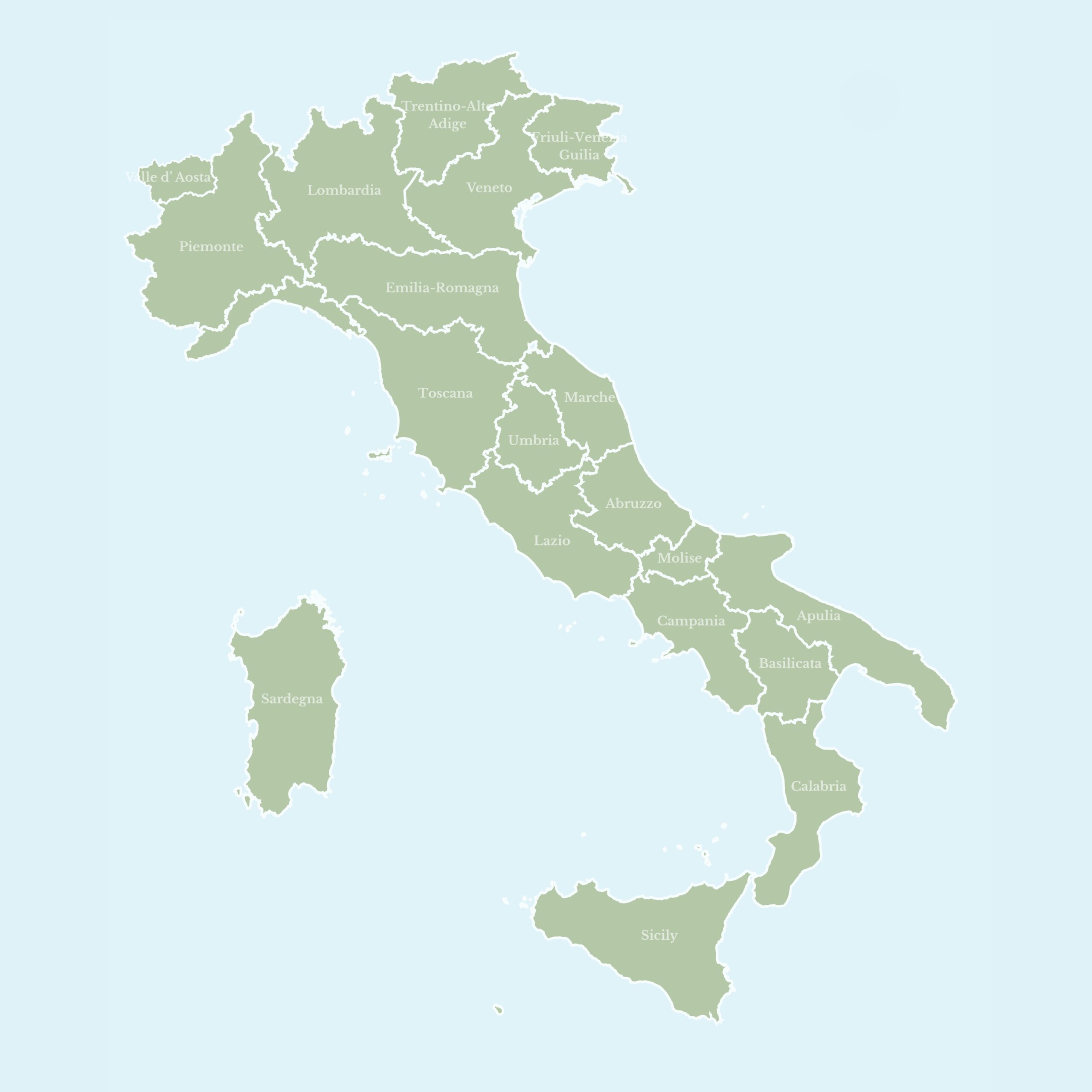
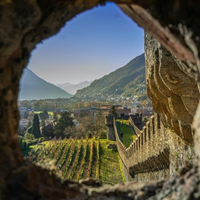
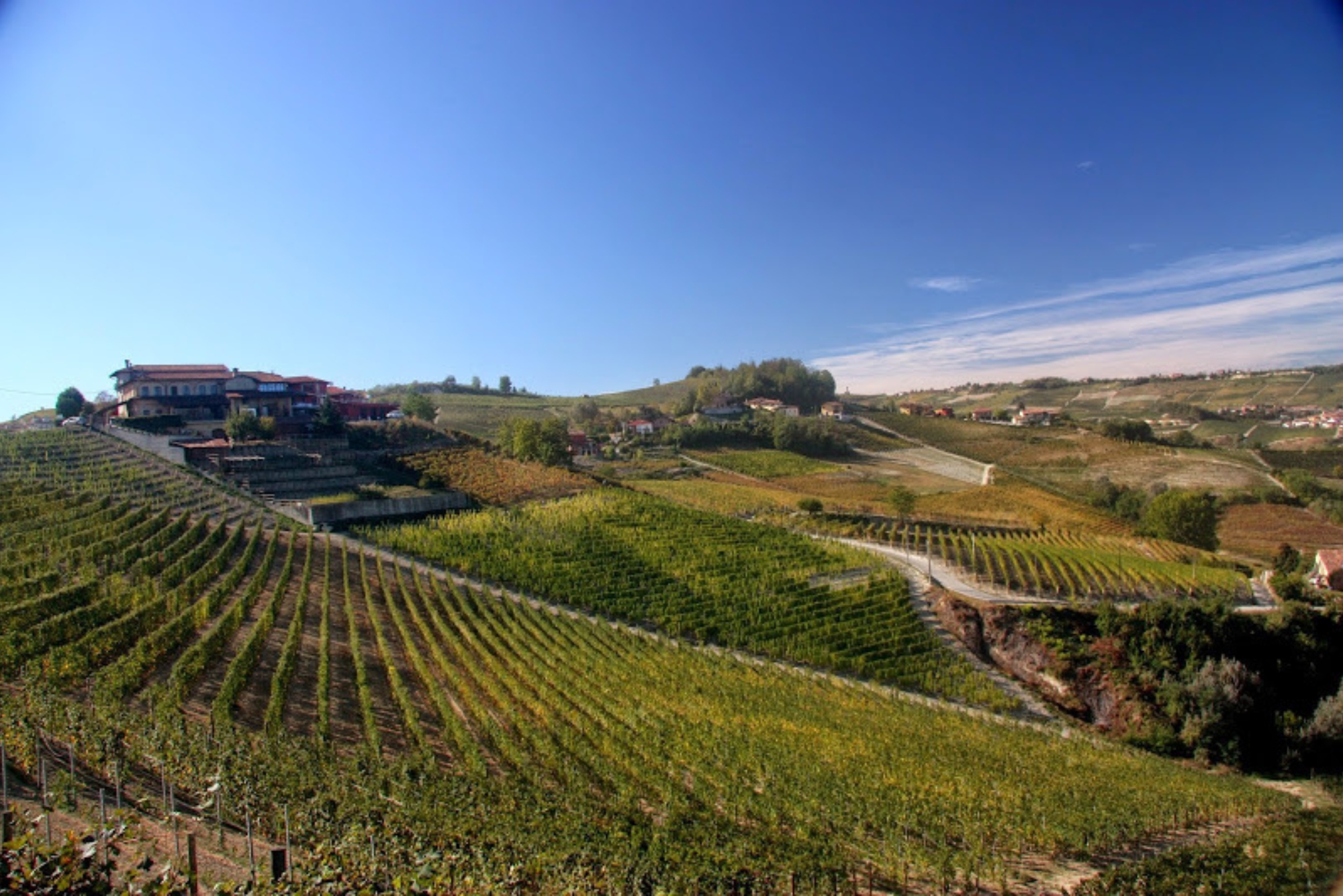
Parusso’s vineyards lie in the Barolo district of the Langhe, with the winery based at Cascina Rovella in Bussia, overlooking the town of Barolo. The soils combine Tortonian and Elvezian origins (marl, clay, limestone, and sand) offering great diversity.
Each plot is managed through micro-zoning to express its unique character, producing distinct styles from the cru Barolos: Bussia, Mosconi, and Mariondino. The 28 ha are planted mainly with Nebbiolo, Barbera, and Dolcetto, and are harvested by hand at full phenolic ripeness before grapes are carefully transported to the cellar.
The Cellar
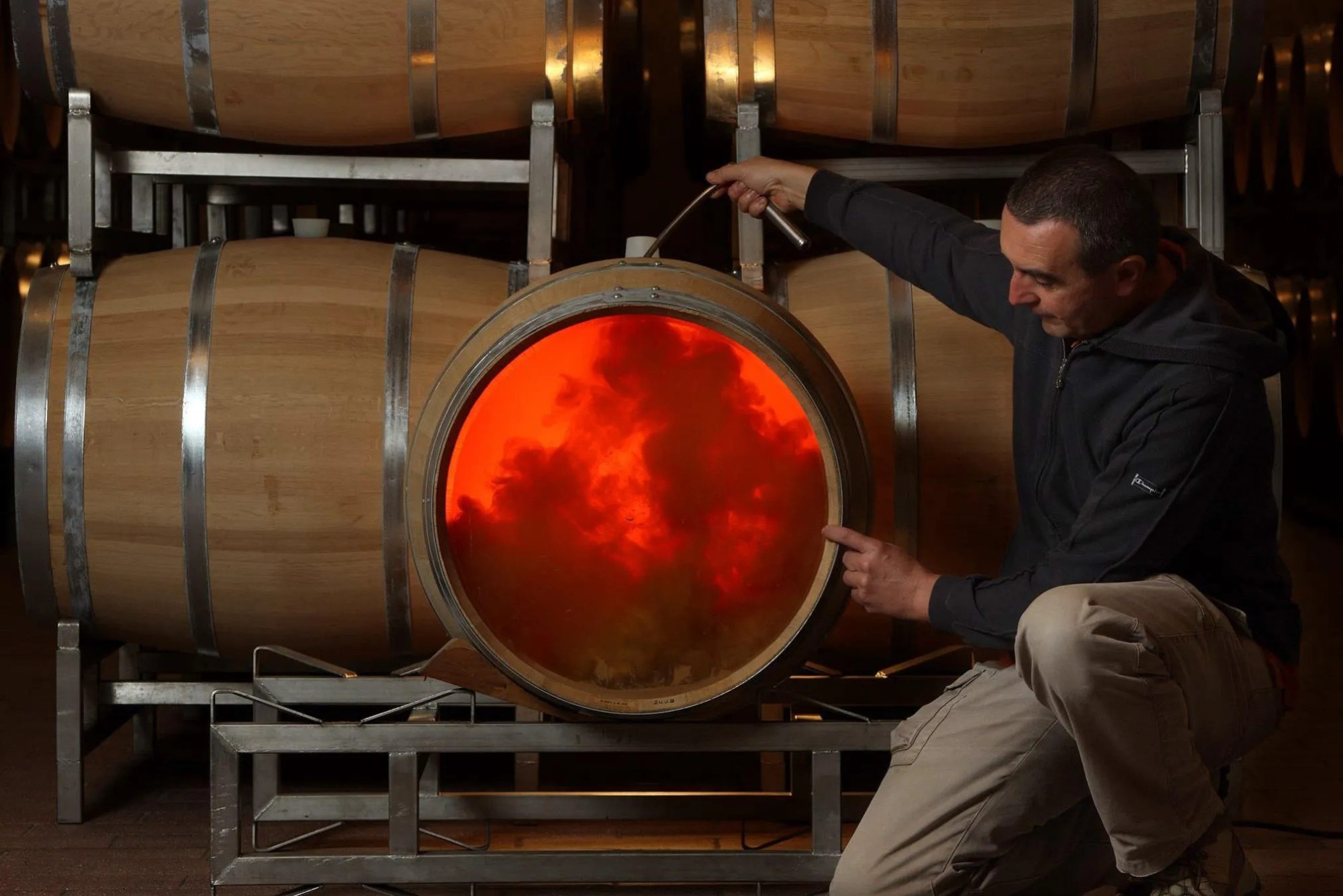
The cellar at Cascina Rovella unites tradition and innovation, guided by natural rhythms. Grapes rest for three to four days in propolis-saturated rooms at controlled temperatures to soften skins and stems while developing aroma complexity. Fermentation often uses whole-bunch maceration in horizontal roto-macerators, starting cool before gradually increasing temperature for gentle extraction.
Ageing takes place in small oak barriques with prolonged lees contact and bâtonnage to build structure naturally. The result is wines that marry vigour and elegance, approachable in youth yet capable of long aging.