
Château Margaux
History
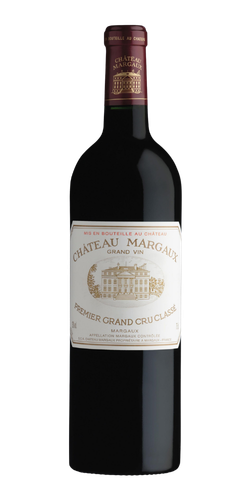
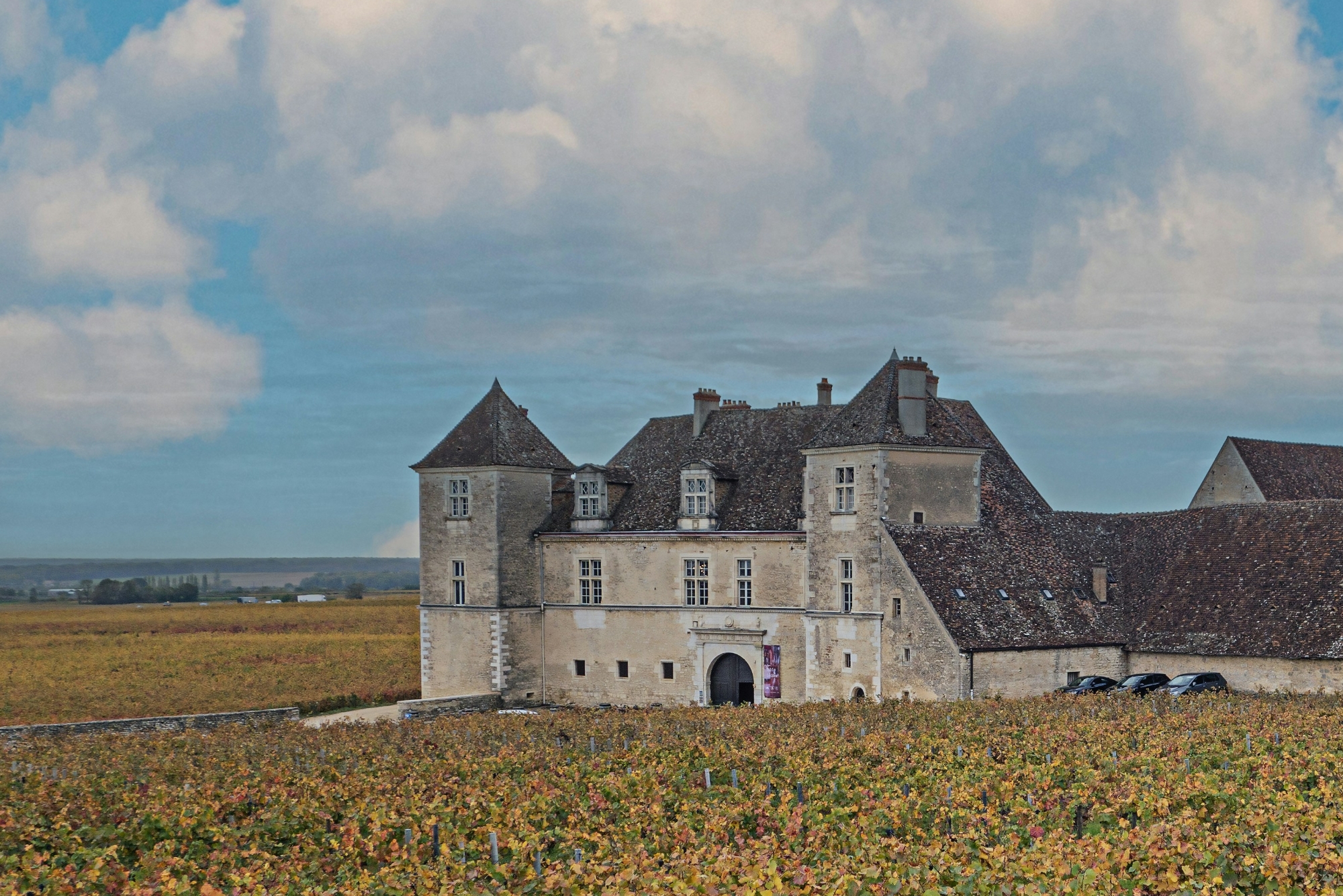
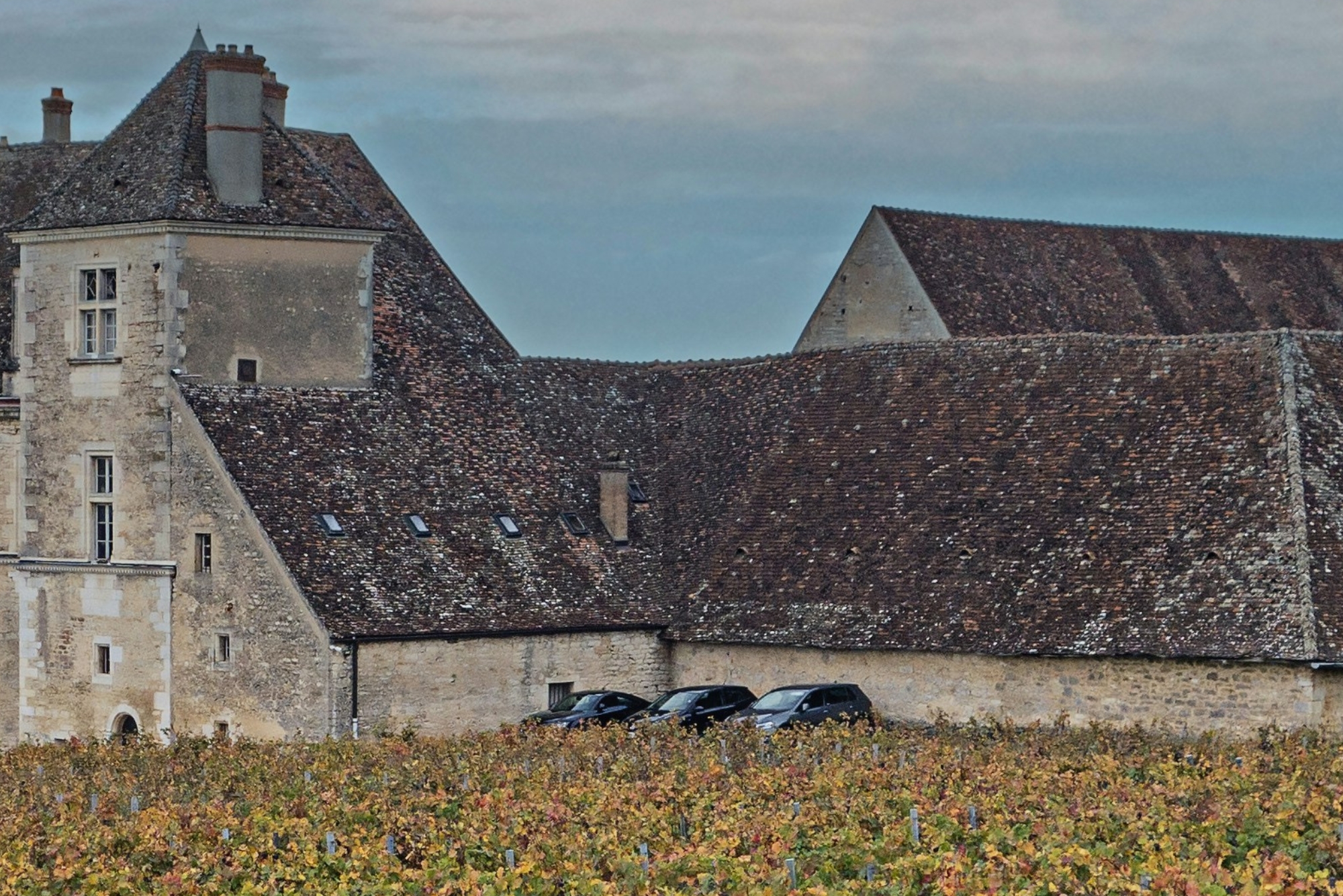
Château Margaux, historically known as La Mothe de Margaux, traces its origins to the 12th century. The estate has produced wines of international renown since the 17th century and holds a singular place within Bordeaux history.
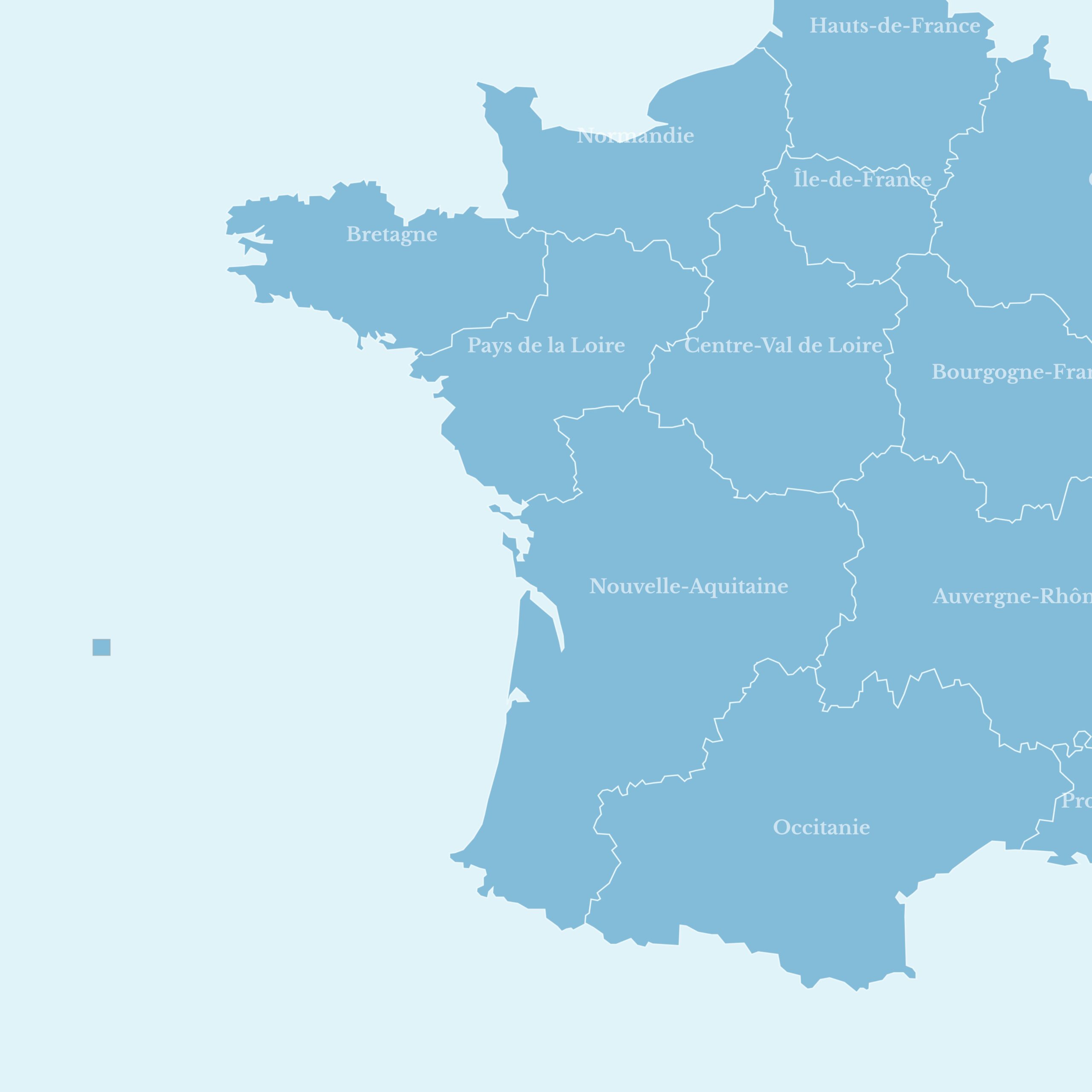
In the 1855 Bordeaux Classification, Château Margaux was granted Premier Cru Classé status, one of only five estates to receive this distinction. Located in the commune of Margaux in the Médoc, on the Left Bank of the Garonne, the château remains one of the most recognised names in fine wine.
The Vineyards
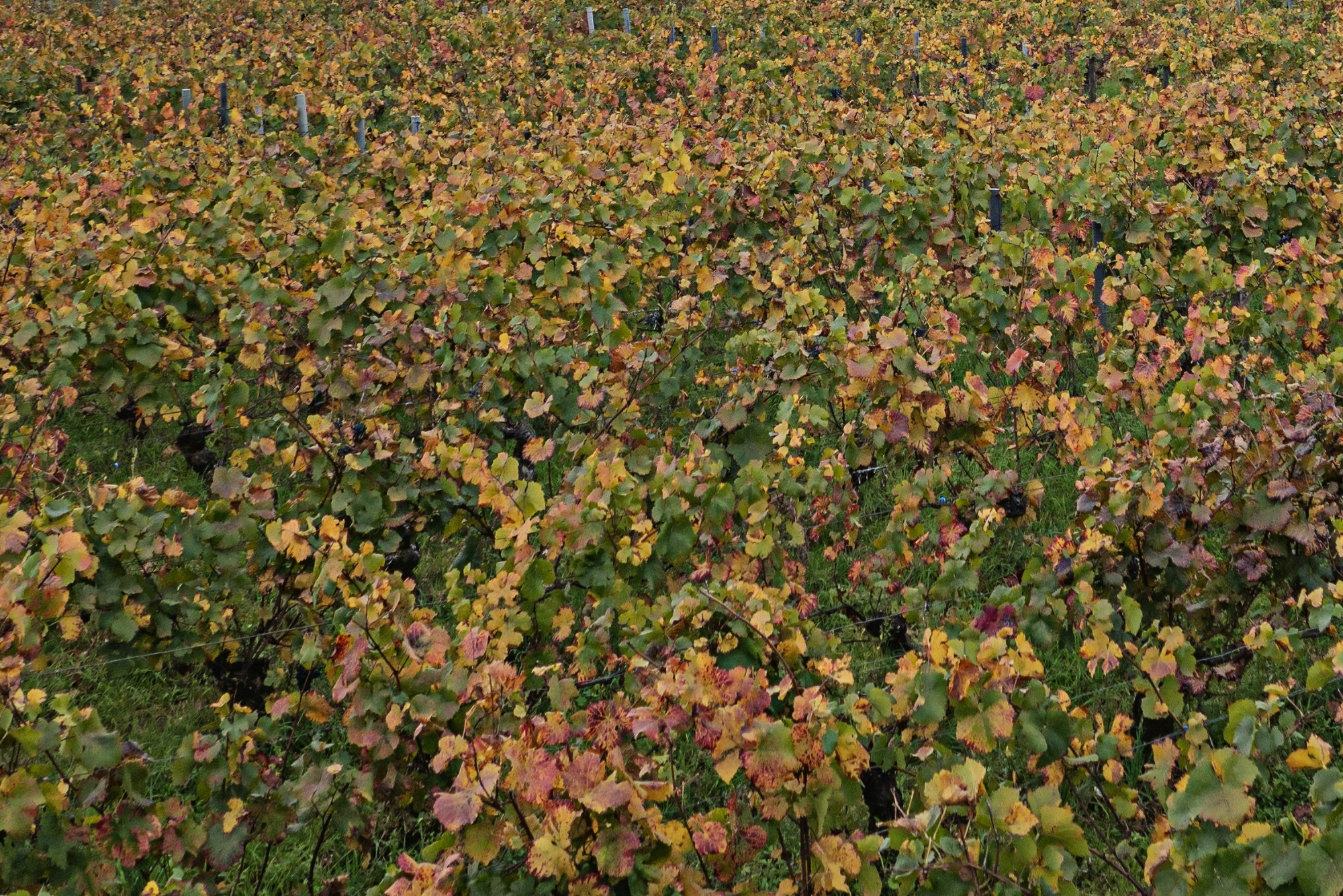
The vineyard of Château Margaux extends across approximately 99 hectares, within a total estate area of about 262 hectares. The estate lies within the Margaux commune in the Médoc, an area historically associated with wines of structure and refinement.
The principal grape varieties cultivated are Cabernet Sauvignon, Merlot, Petit Verdot, and Cabernet Franc. The vineyard composition supports the production of the estate’s portfolio, which includes the Grand Vin, Pavillon Rouge, Margaux de Château Margaux, Pavillon Blanc, and the Pavillon Blanc Second Vin introduced in 2024.
The Cellar
Château Margaux produces approximately 450,000 bottles annually across its range. The portfolio includes the Grand Vin as the flagship wine, alongside Pavillon Rouge and Margaux de Château Margaux. Pavillon Blanc is recognised as a dry white wine, and in 2024 the estate introduced Pavillon Blanc Second Vin.
The scale of production allows the estate to maintain continuity across vintages while preserving the identity associated with its historic classification and long-standing reputation.