
Cascina Carlot
History
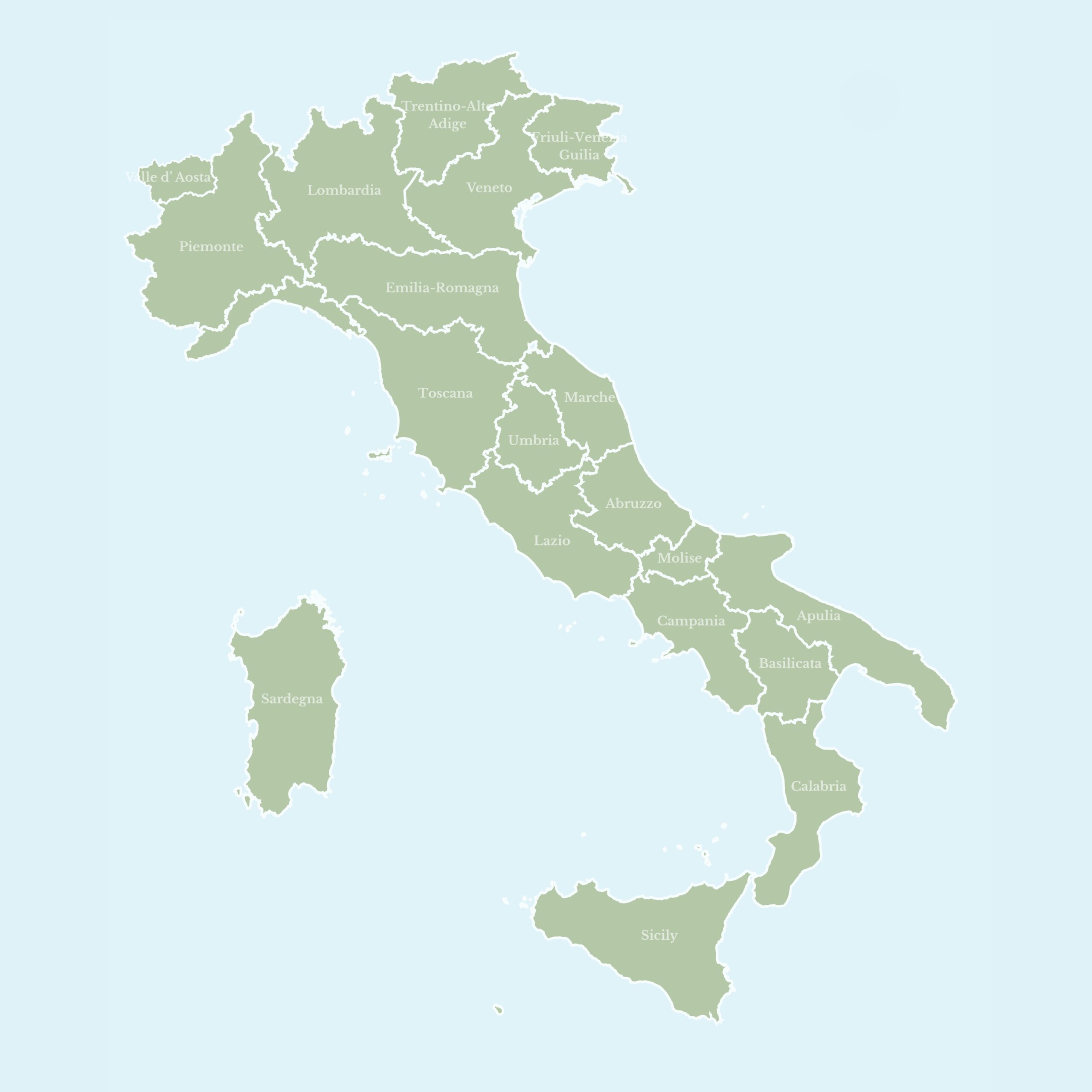
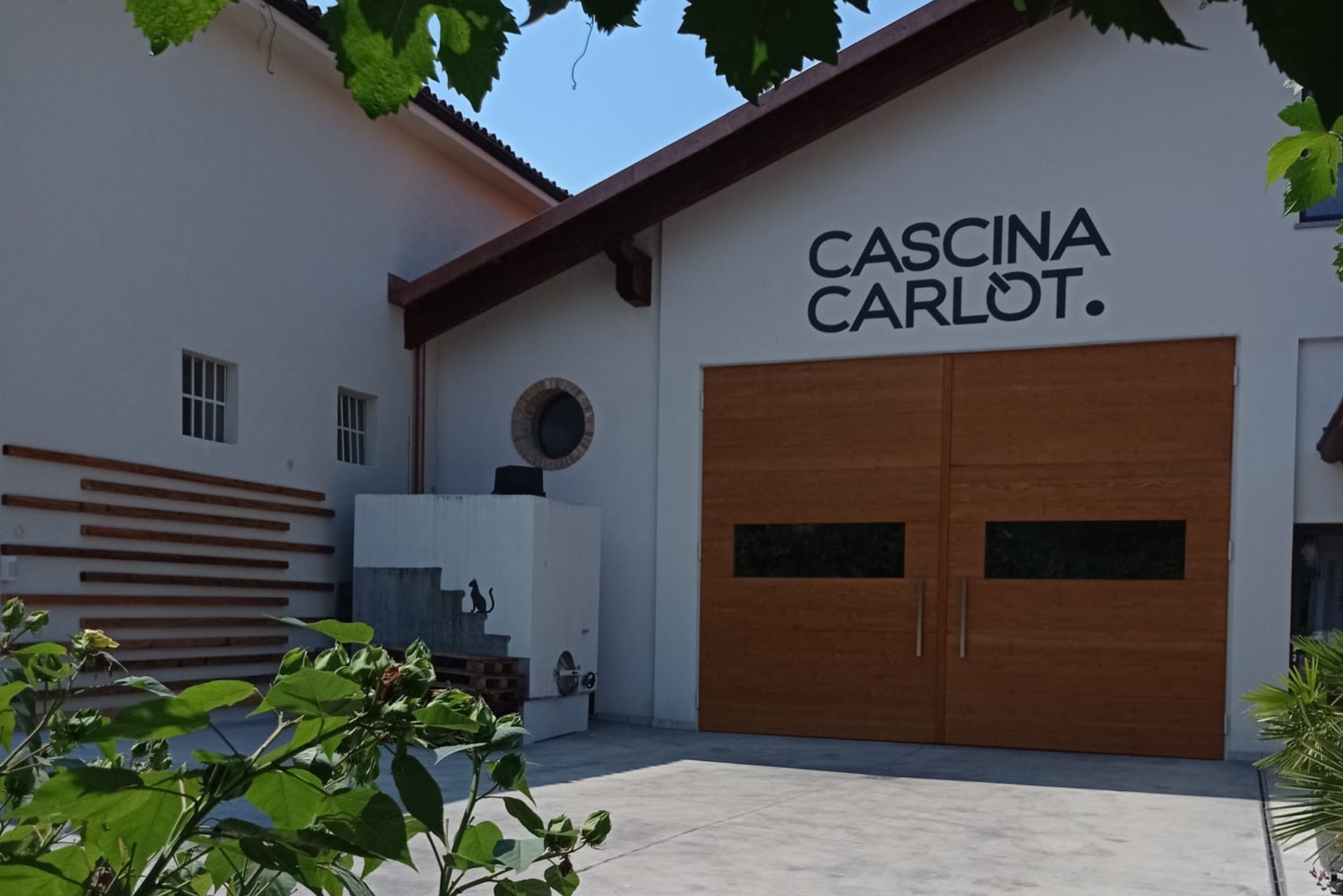
Cascina Carlòt is a family-run farm deeply rooted in the traditions of Piedmont, with a legacy stretching back to the 1800s when Carlo Marchisio, known locally as “Carlòt”, owned the land. In 1920, the estate passed to Mario Mo, grandfather of the current owner, Claudio, whose name and legacy live on in Claudio’s young son, Mario.
Today, Claudio runs the farm alongside his wife and parents, cultivating vineyards, hazelnut groves, and a garden in harmony with the rhythms of nature. Proudly identifying as a winegrower rather than a winemaker, Claudio believes that wine is made first in the vineyard and then in the cellar. Over the last decade, he has modernized the estate with a focus on renewable energy, rainwater harvesting, energy self-sufficiency, and biodiversity, planting hazelnut and fruit trees to ensure the farm’s sustainability for future generations.
The Vineyards
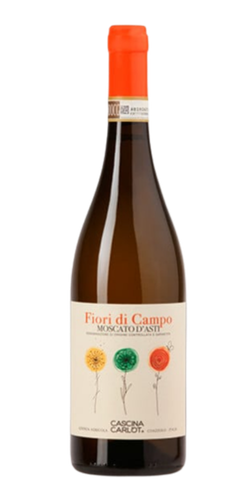
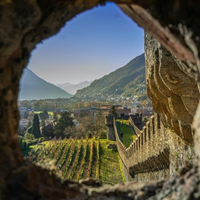
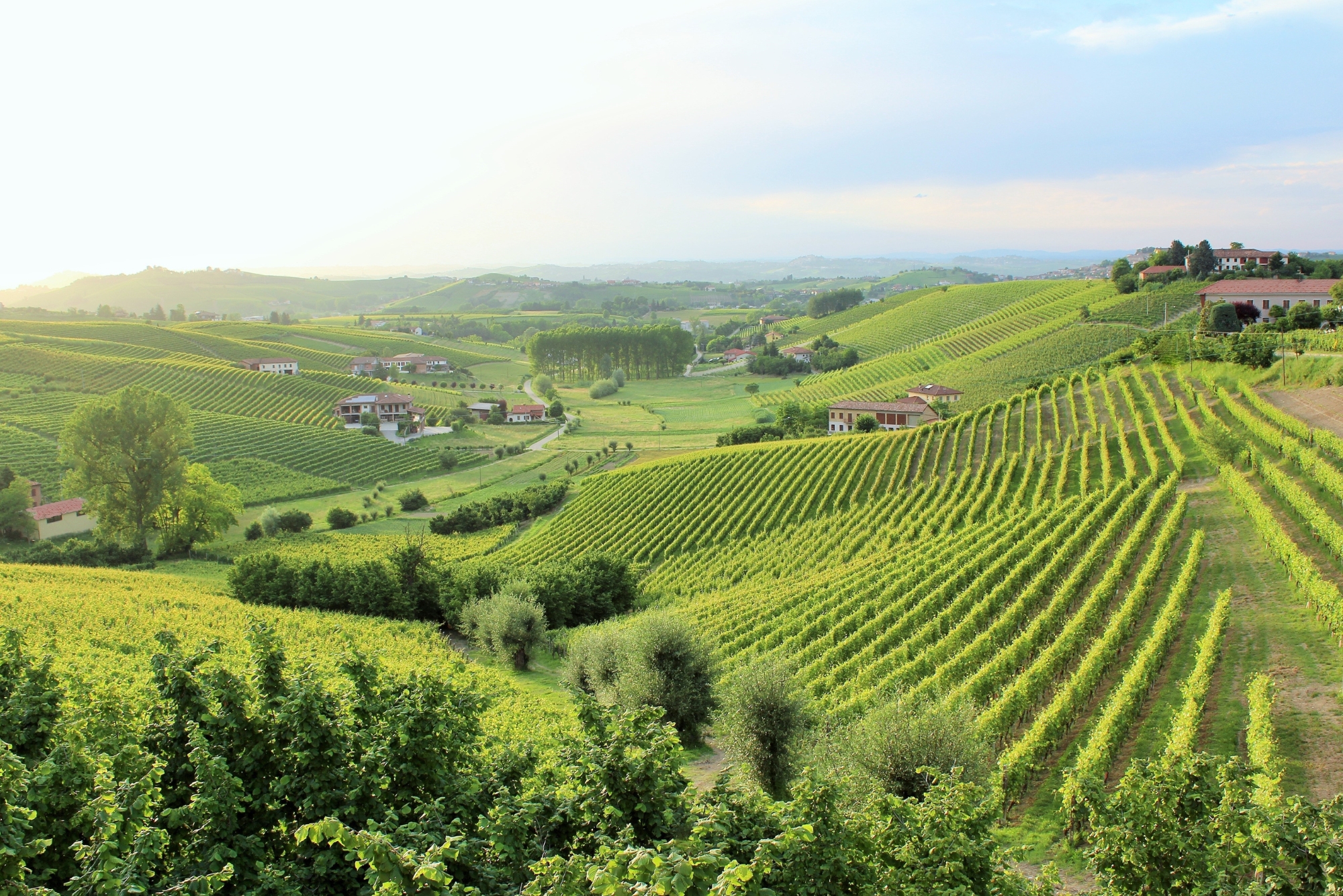
The farm covers seven hectares of vineyards situated across the hills of Piedmont, between 300 metres above sea level, on clay and calcareous soils streaked with blue marl. Muscat is the leading white grape variety, with vines averaging 45 years of age used to produce the Moscato d’Asti “Fiori di Campo.” The vineyards are cultivated with deep respect for the environment, using natural fertilisers and avoiding all plastic materials.
Instead, willow branches—resistant and flexible—are used to tie the vines, reviving a traditional practice from before plastic became commonplace. While not certified organic, the farming approach favours biodiversity and limits intervention, ensuring healthy vines and expressive fruit.
History
Cascina Carlòt is a family-run farm deeply rooted in the traditions of Piedmont, with a legacy stretching back to the 1800s when Carlo Marchisio, known locally as “Carlòt”, owned the land. In 1920, the estate passed to Mario Mo, grandfather of the current owner, Claudio, whose name and legacy live on in Claudio’s young son, Mario.
Today, Claudio runs the farm alongside his wife and parents, cultivating vineyards, hazelnut groves, and a garden in harmony with the rhythms of nature. Proudly identifying as a winegrower rather than a winemaker, Claudio believes that wine is made first in the vineyard and then in the cellar. Over the last decade, he has modernized the estate with a focus on renewable energy, rainwater harvesting, energy self-sufficiency, and biodiversity, planting hazelnut and fruit trees to ensure the farm’s sustainability for future generations.
The Cellar
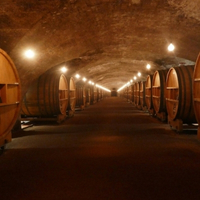
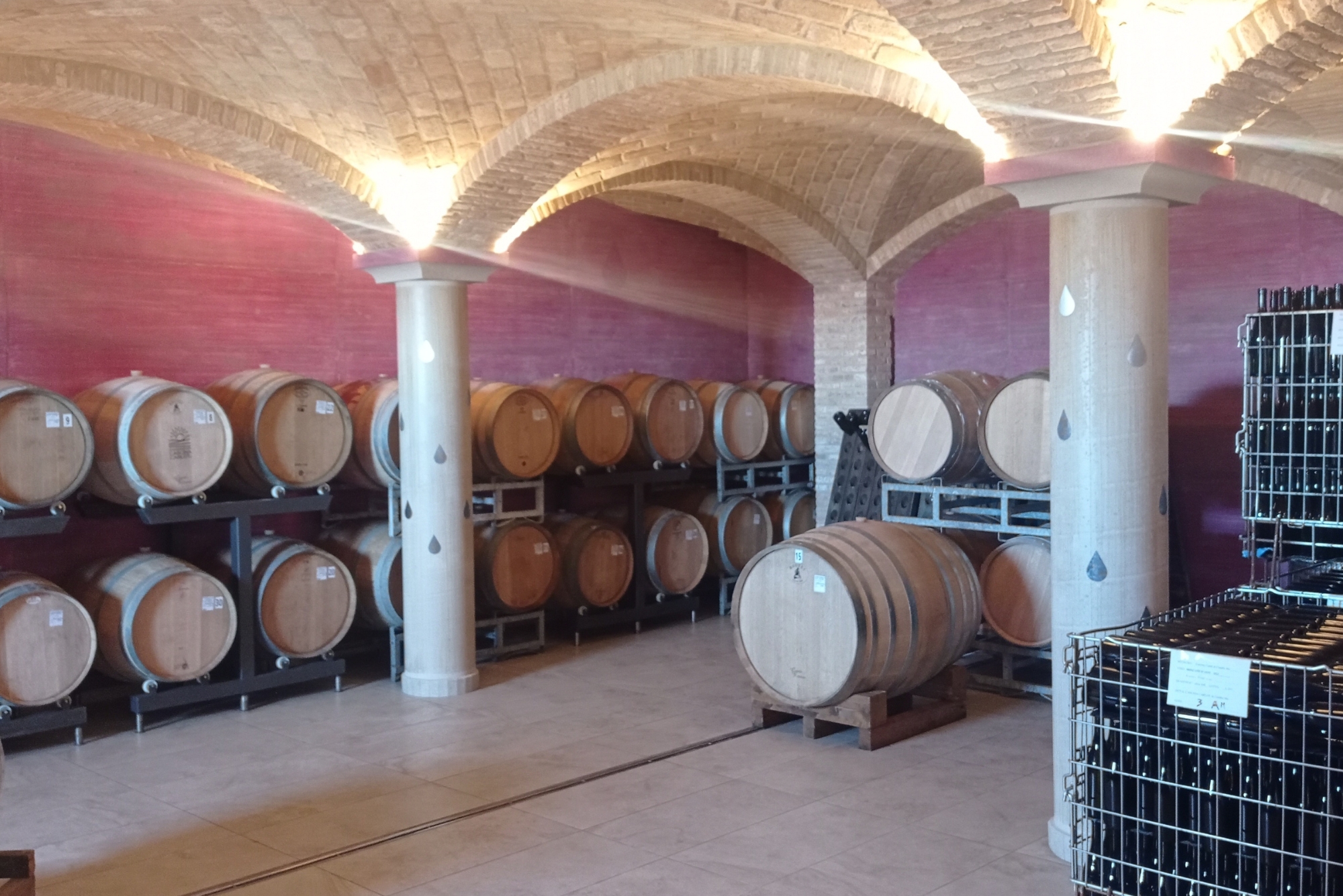
Beneath the farmhouse, the cellar hums quietly with the rhythm of the seasons. Here, the work of the vineyard is translated into wine with a light hand, allowing nature’s voice to remain clear and unmasked. The Moscato d’Asti “Fiori di Campo” begins as clusters gathered from sunlit slopes, their perfume preserved through gentle pressing and cool, patient fermentation.
Stainless steel gleams softly in the half-light, holding wines that carry the whisper of blue marl soils and the freshness of the hills. Tradition guides every gesture, yet each vintage is approached as a new conversation with the land, ensuring that every bottle captures both the place and the moment in which it was born.
The Vineyards
The farm covers seven hectares of vineyards situated across the hills of Piedmont, between 300 metres above sea level, on clay and calcareous soils streaked with blue marl. Muscat is the leading white grape variety, with vines averaging 45 years of age used to produce the Moscato d’Asti “Fiori di Campo.” The vineyards are cultivated with deep respect for the environment, using natural fertilisers and avoiding all plastic materials.
Instead, willow branches—resistant and flexible—are used to tie the vines, reviving a traditional practice from before plastic became commonplace. While not certified organic, the farming approach favours biodiversity and limits intervention, ensuring healthy vines and expressive fruit.
The Cellar
Beneath the farmhouse, the cellar hums quietly with the rhythm of the seasons. Here, the work of the vineyard is translated into wine with a light hand, allowing nature’s voice to remain clear and unmasked. The Moscato d’Asti “Fiori di Campo” begins as clusters gathered from sunlit slopes, their perfume preserved through gentle pressing and cool, patient fermentation.
Stainless steel gleams softly in the half-light, holding wines that carry the whisper of blue marl soils and the freshness of the hills. Tradition guides every gesture, yet each vintage is approached as a new conversation with the land, ensuring that every bottle captures both the place and the moment in which it was born.