
Castorani
History
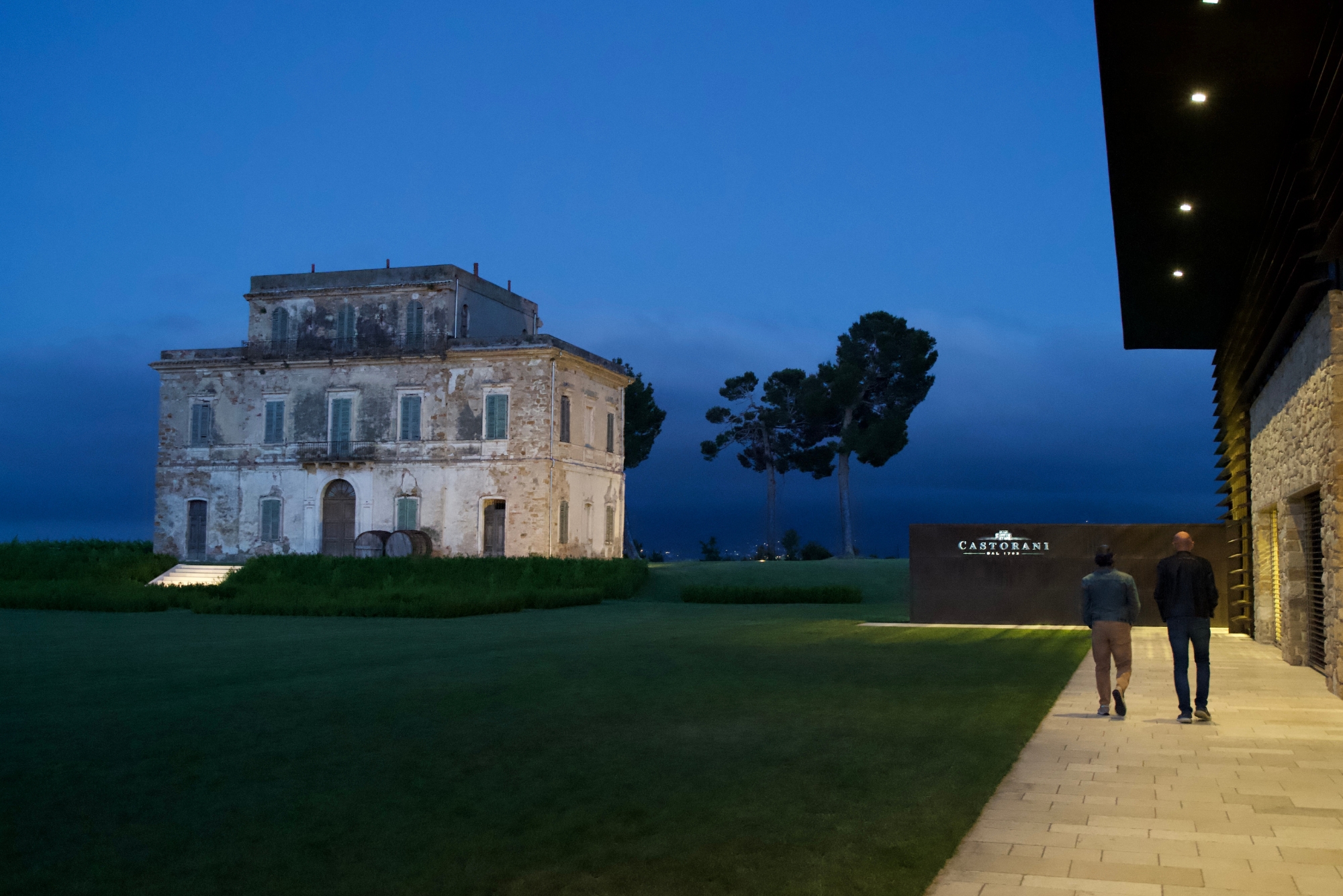
Villa Castorani dates back to 1793 and takes its name from Raffaele Castorani, a renowned surgeon and former Sorbonne professor. The estate later passed to Professor Antonio Casulli, under whom it expanded significantly before falling into decline after his death in the late 1970s.
In 1999, the estate was revived by a group of friends. Today, the Trulli and Cavuto families help manage the winery, continuing its connection to Abruzzo’s agricultural heritage and the CASAURIA DOCG area.
The Vineyards
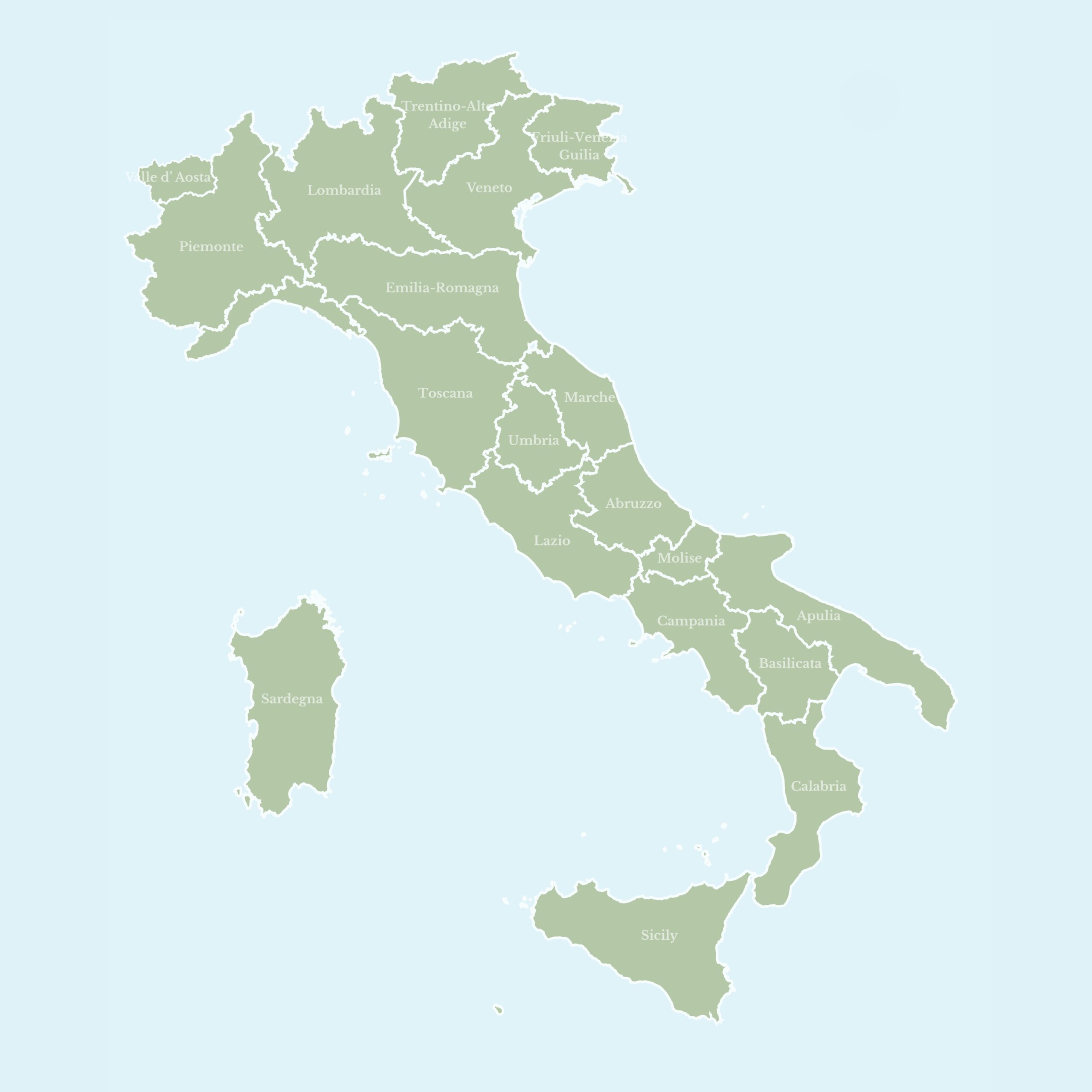
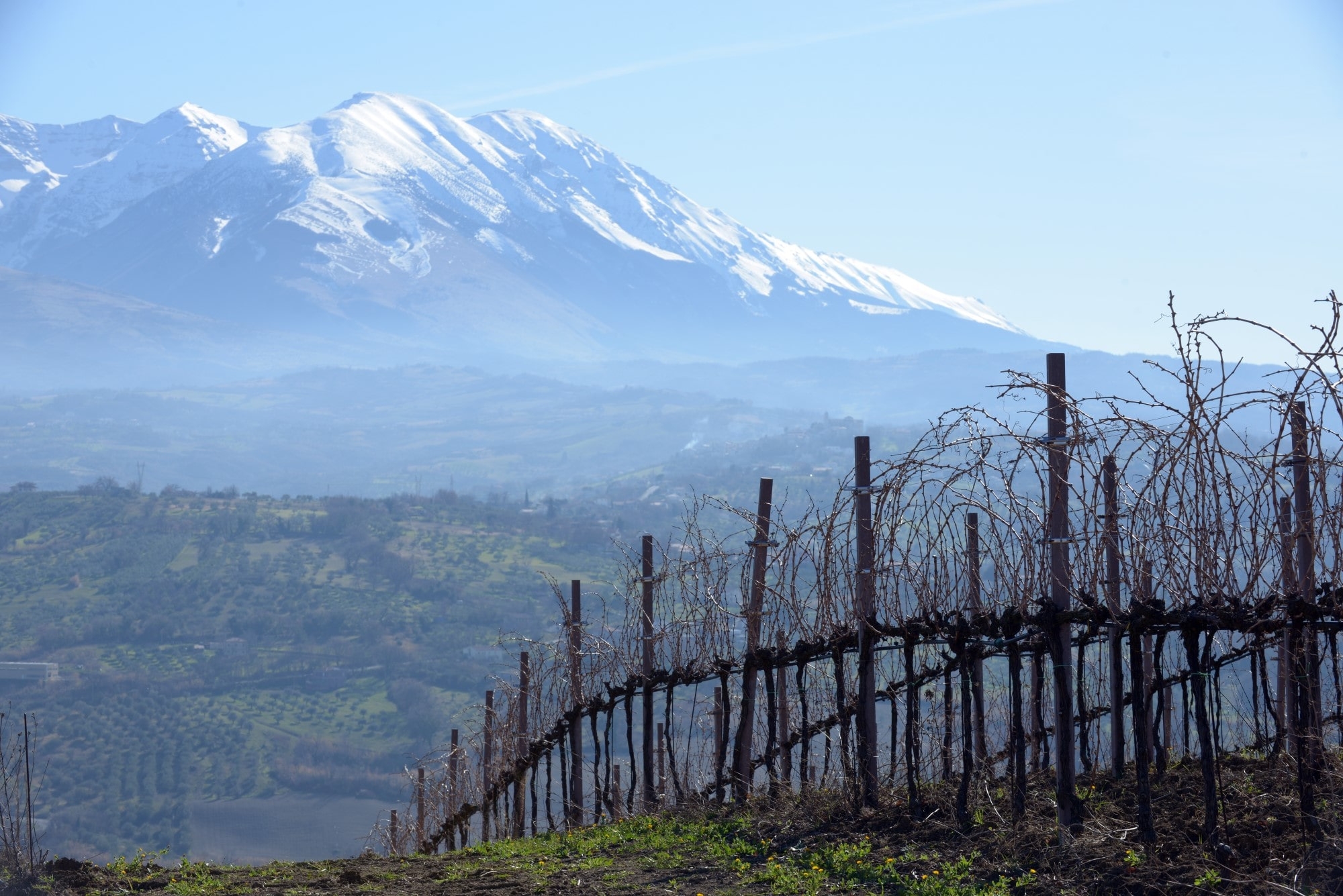
The vineyards are located in Alanno, Pescara, at around 350 metres above sea level, between the Majella National Park and the Adriatic coast. This setting provides strong sunlight, cool night winds, and day-to-night temperature variation.
The estate spans approximately 100 hectares. Montepulciano is the main red variety, while white grapes include Trebbiano, Malvasia, Cococciola, Pecorino, and Passerina. The vineyards average over 30 years old and are farmed organically.
History
Villa Castorani dates back to 1793 and takes its name from Raffaele Castorani, a renowned surgeon and former Sorbonne professor. The estate later passed to Professor Antonio Casulli, under whom it expanded significantly before falling into decline after his death in the late 1970s.
In 1999, the estate was revived by a group of friends. Today, the Trulli and Cavuto families help manage the winery, continuing its connection to Abruzzo’s agricultural heritage and the CASAURIA DOCG area.
The Cellar
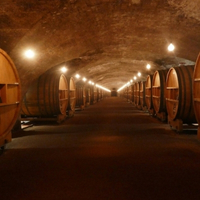
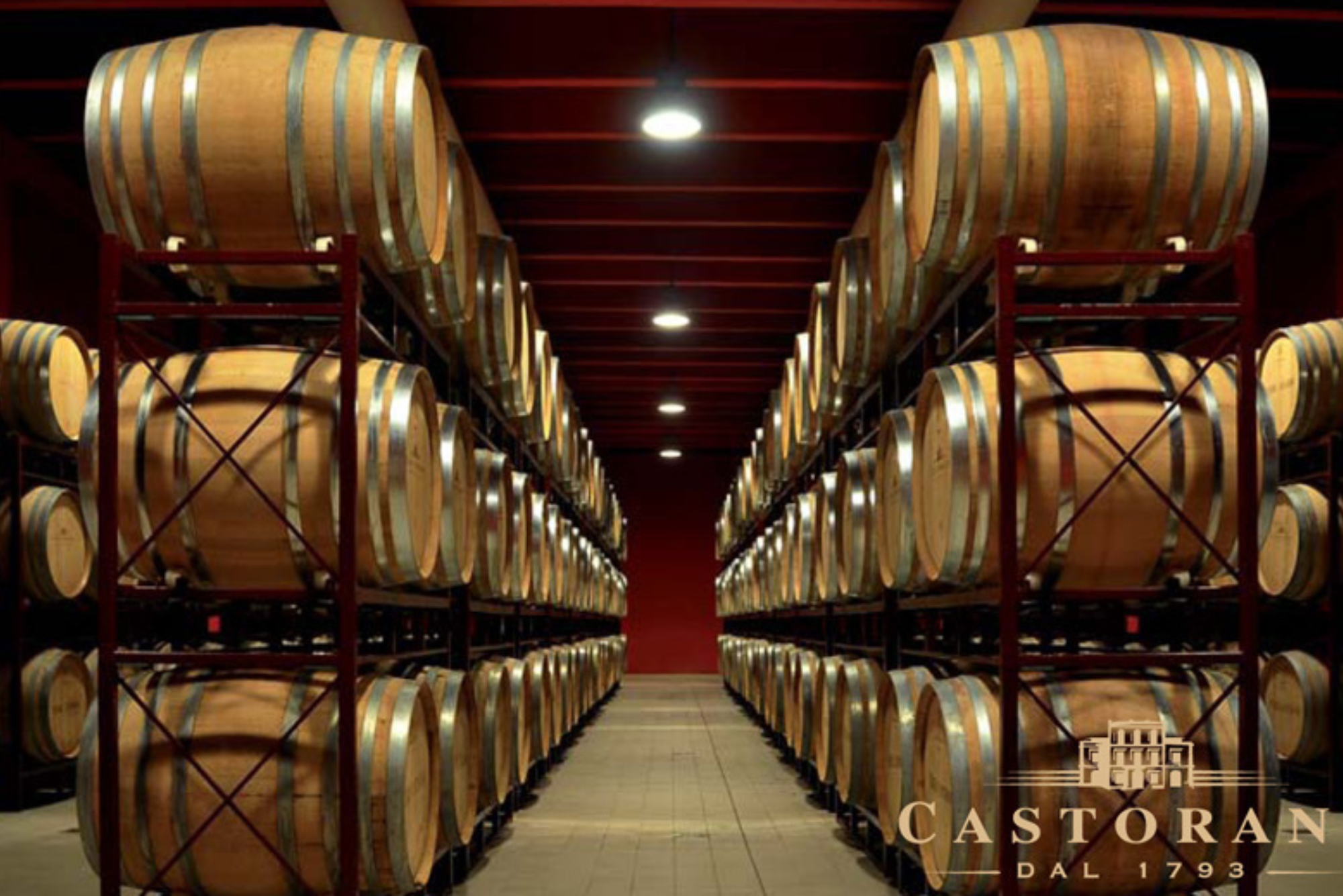
Villa Castorani’s underground cellar maintains a naturally stable temperature year-round. The winery uses concrete tanks for Montepulciano and 500-litre barrels for white, rosé, and red wines.
The estate also produces an Appassimento Abruzzese from dried Montepulciano grapes, with temperature, humidity, and pressure carefully controlled during the process.
The Vineyards
The vineyards are located in Alanno, Pescara, at around 350 metres above sea level, between the Majella National Park and the Adriatic coast. This setting provides strong sunlight, cool night winds, and day-to-night temperature variation.
The estate spans approximately 100 hectares. Montepulciano is the main red variety, while white grapes include Trebbiano, Malvasia, Cococciola, Pecorino, and Passerina. The vineyards average over 30 years old and are farmed organically.
The Cellar
Villa Castorani’s underground cellar maintains a naturally stable temperature year-round. The winery uses concrete tanks for Montepulciano and 500-litre barrels for white, rosé, and red wines.
The estate also produces an Appassimento Abruzzese from dried Montepulciano grapes, with temperature, humidity, and pressure carefully controlled during the process.