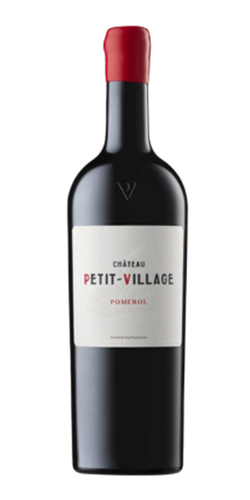

Chateau Petit Village
History
Château Petit-Village dates back to the 18th century and is located on the highest part of the Pomerol plateau. Over time, the estate has established its identity through the quality of its vineyard site and its focused approach to grape selection and cultivation.
In 2020, the property began its transition to organic farming, with certification targeted for 2022. This marked a significant step in the estate’s continued development and long-term vineyard stewardship.
The Vineyards
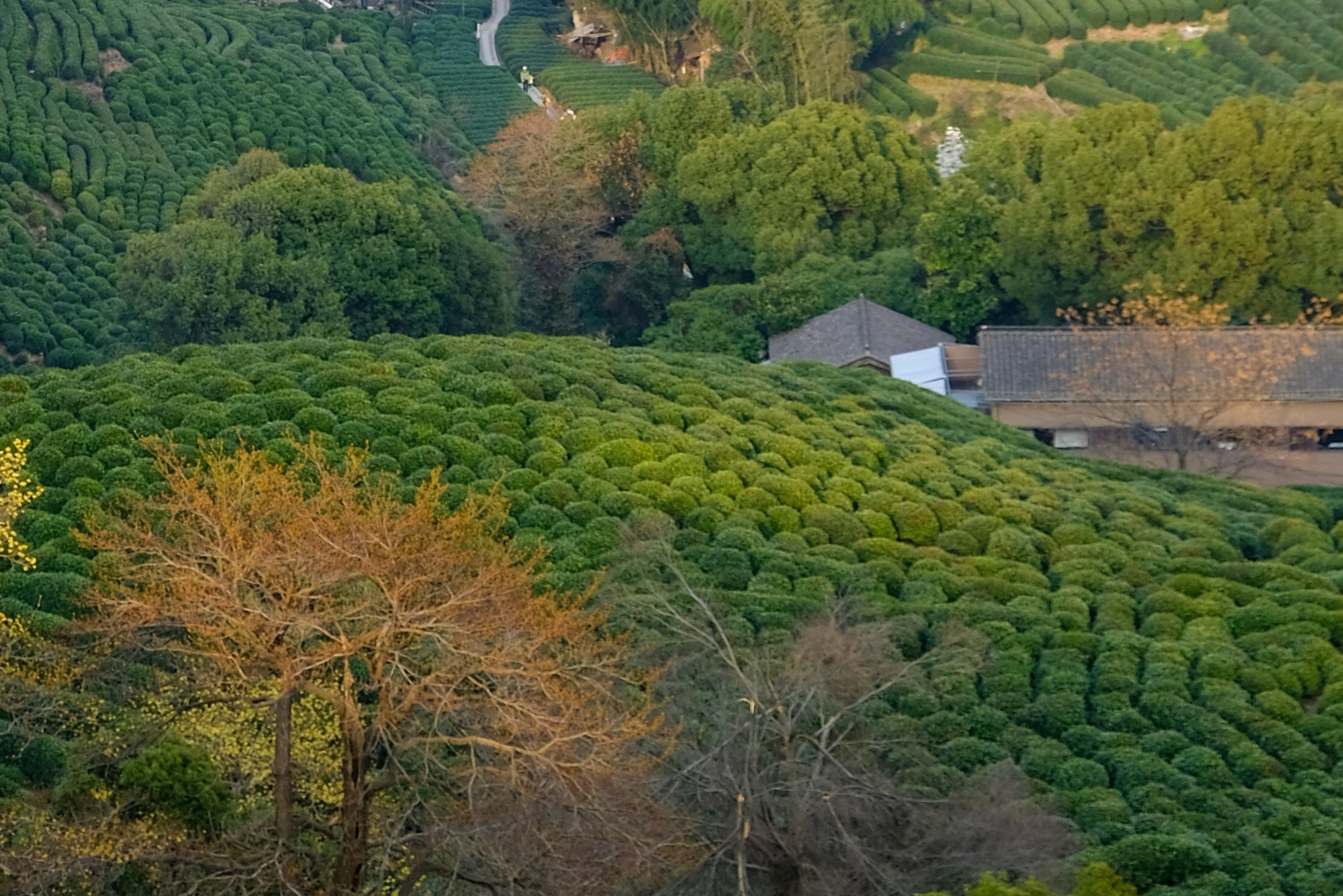
The vineyard of Château Petit-Village covers approximately 10.5 hectares and lies in a single triangular plot on the Pomerol plateau. This unified configuration allows for consistent management across the estate.
The soils consist of red gravel with quartz and flint, resting over a clay subsoil. These conditions are well suited to the production of wines with elegance and complexity.
Planting is adapted to soil characteristics. Merlot, which represents 75 percent of the vineyard, contributes roundness and generosity. Cabernet Franc accounts for 18 percent, while Cabernet Sauvignon makes up 7 percent, both adding structure, freshness, and aromatic intensity. The principal grape varieties cultivated are Merlot, Cabernet Franc, and Cabernet Sauvignon.

The Cellar
With an annual production of approximately 56,000 bottles, Château Petit-Village operates on a scale that allows careful attention to vineyard and cellar management. The estate’s work in the winery reflects its vineyard philosophy, with a focus on preserving balance, structure, and the expression of its plateau terroir.