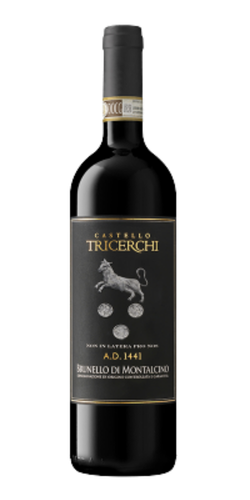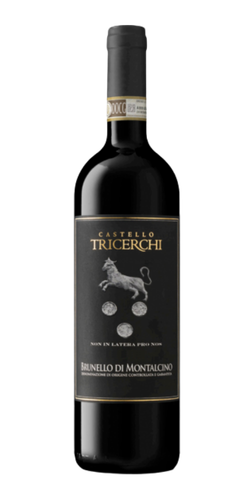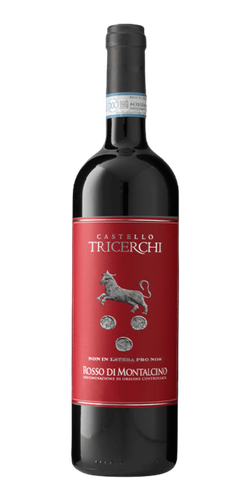

Castello Tricerchi
History
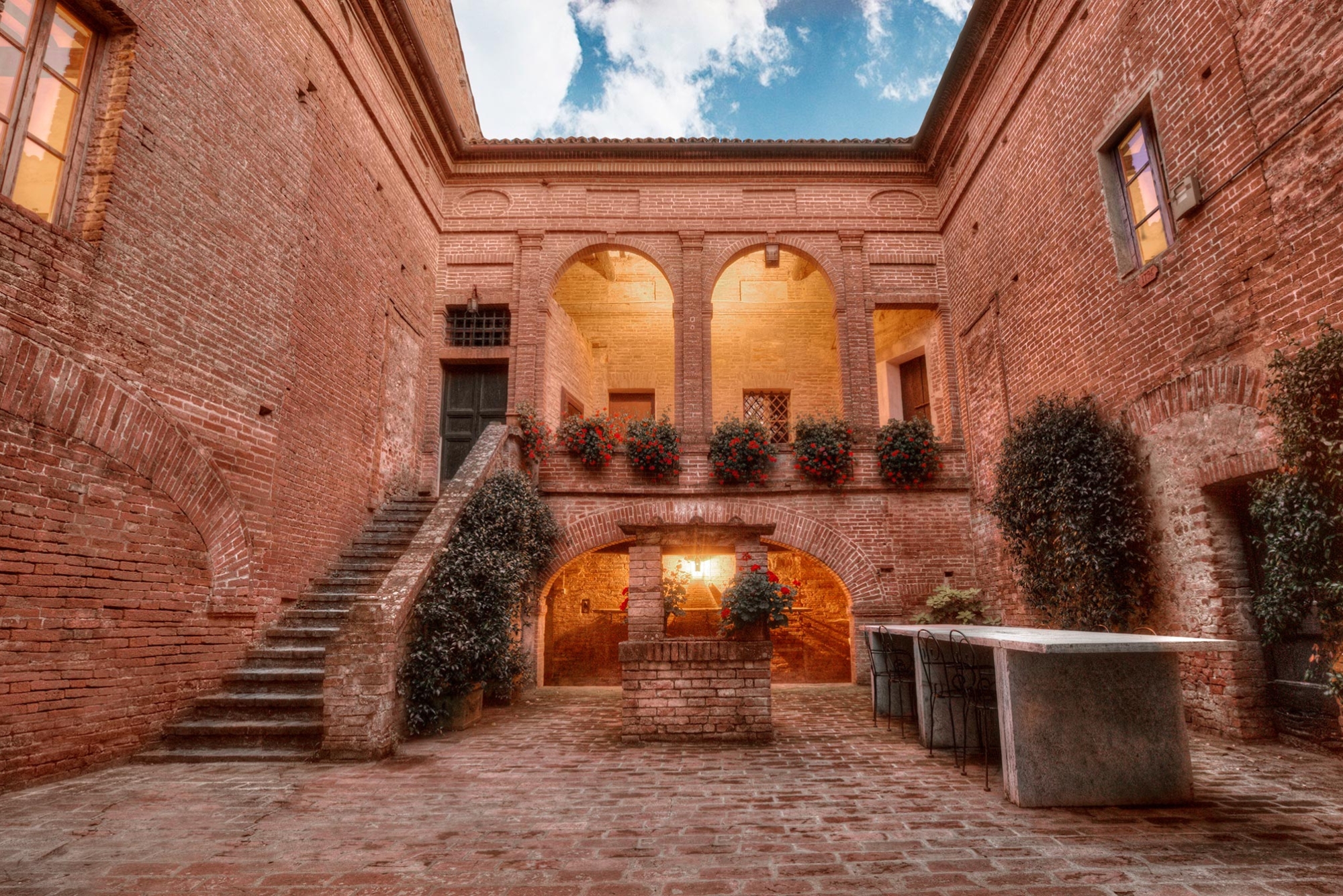
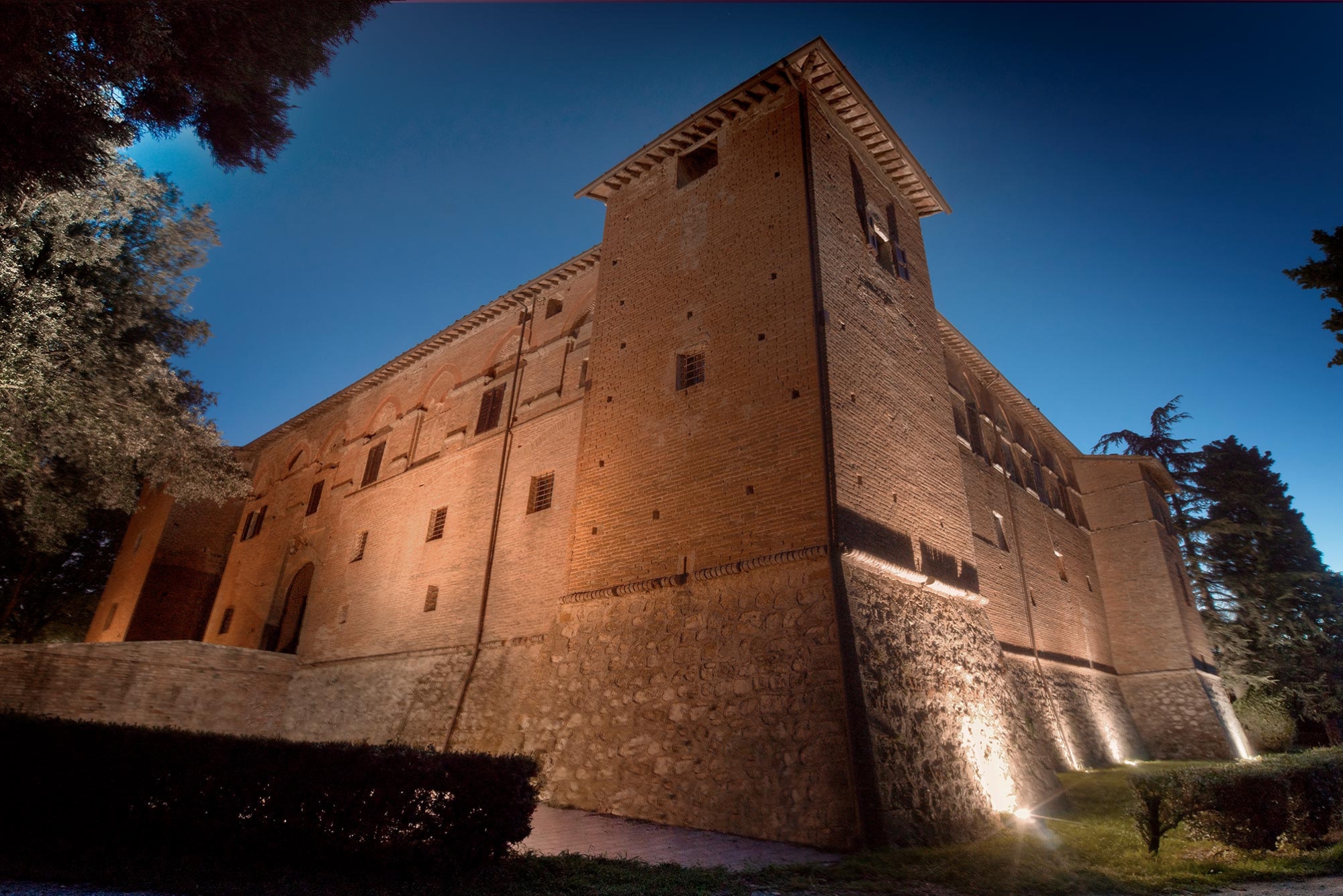
Castello Tricerchi is a historic medieval estate overlooking Montalcino, positioned along the ancient Via Francigena. The castle has stood on this site since the 13th century and was completed in its present form in 1441. Today, it is officially recognised as part of Italy’s artistic heritage, reflecting its architectural and cultural significance within the region.
While the estate’s history is deeply rooted in centuries past, its modern viticultural identity took shape in 1995, when the vineyards were fully planted. Since then, Castello Tricerchi has focused on producing wines that respect both the historical setting and the traditional character of Montalcino.
History
Castello Tricerchi is a historic medieval estate overlooking Montalcino, positioned along the ancient Via Francigena. The castle has stood on this site since the 13th century and was completed in its present form in 1441. Today, it is officially recognised as part of Italy’s artistic heritage, reflecting its architectural and cultural significance within the region.
While the estate’s history is deeply rooted in centuries past, its modern viticultural identity took shape in 1995, when the vineyards were fully planted. Since then, Castello Tricerchi has focused on producing wines that respect both the historical setting and the traditional character of Montalcino.
The Vineyards
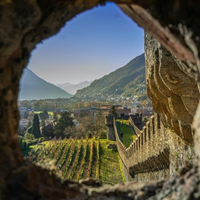
The vineyards of Castello Tricerchi are located on the cooler northern slopes of Montalcino, at elevations ranging from approximately 250 to 290 metres above sea level. The estate cultivates around 13 hectares of vineyards within a much larger property of approximately 400 hectares.
Planted exclusively to Sangiovese Grosso, the vineyards are divided into seven distinct plots, including Vigna del Velo and Vigna Sant’Anna. The soils are characterised by limestone clay and sandy components, contributing to the structure and elegance associated with wines from this part of Montalcino.
All grapes are harvested by hand, ensuring careful selection and preserving fruit quality at the point of harvest.
The Vineyards
The vineyards of Castello Tricerchi are located on the cooler northern slopes of Montalcino, at elevations ranging from approximately 250 to 290 metres above sea level. The estate cultivates around 13 hectares of vineyards within a much larger property of approximately 400 hectares.
Planted exclusively to Sangiovese Grosso, the vineyards are divided into seven distinct plots, including Vigna del Velo and Vigna Sant’Anna. The soils are characterised by limestone clay and sandy components, contributing to the structure and elegance associated with wines from this part of Montalcino.
All grapes are harvested by hand, ensuring careful selection and preserving fruit quality at the point of harvest.
The Cellar
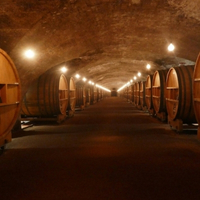
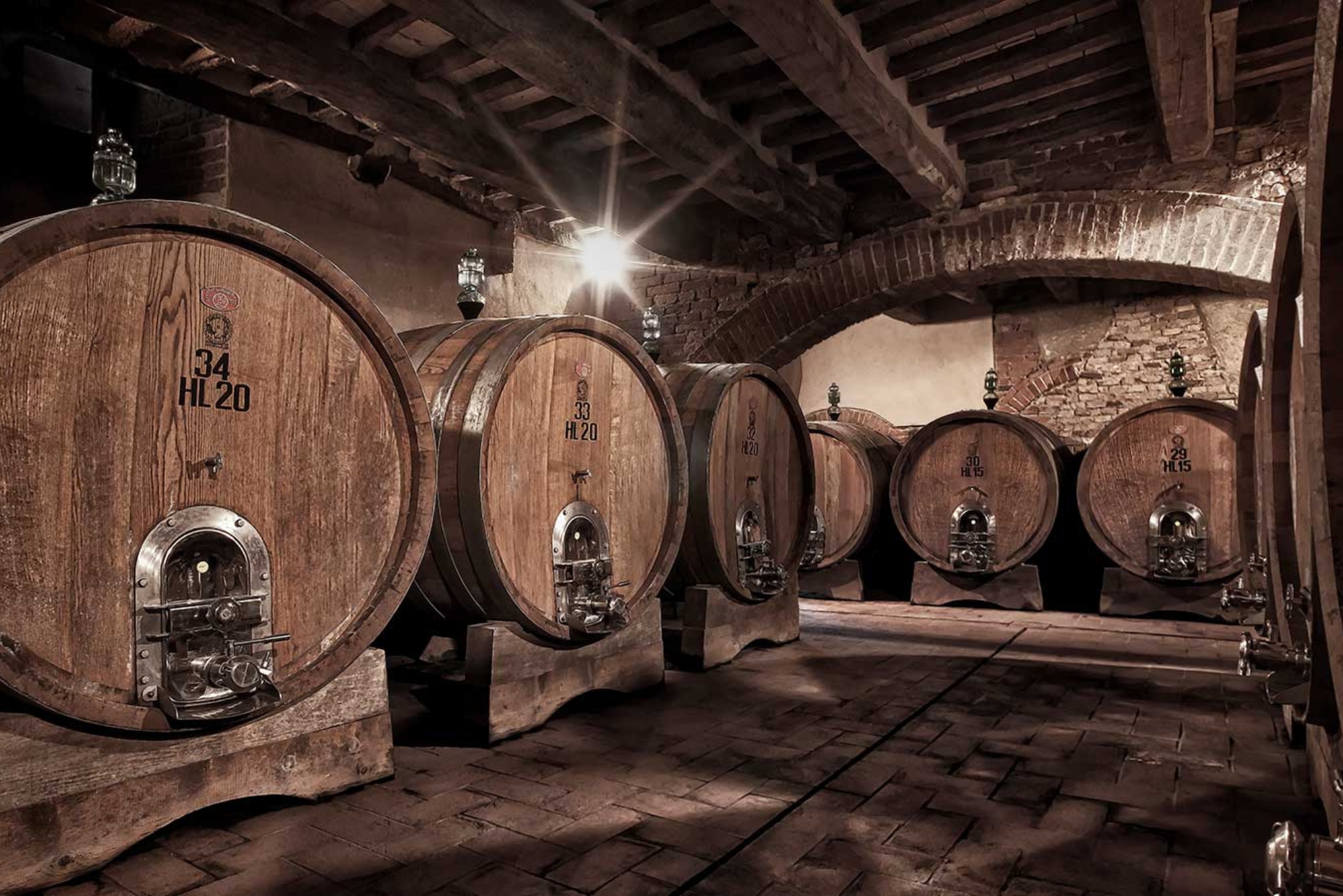
The cellars at Castello Tricerchi are housed within the castle itself, occupying former dungeons where wines are able to age naturally in consistently cool conditions. This historic setting provides an ideal environment for slow, controlled maturation.
Vinification is carried out using native yeasts, in keeping with traditional practices, and the wines are aged in Slavonian oak. Annual production is approximately 70,000 bottles, allowing the estate to maintain a focused and measured approach to quality.
Together, the cellar practices and the unique historical environment support wines that reflect both the character of Sangiovese Grosso and the long-standing traditions of Montalcino.
The Cellar
The cellars at Castello Tricerchi are housed within the castle itself, occupying former dungeons where wines are able to age naturally in consistently cool conditions. This historic setting provides an ideal environment for slow, controlled maturation.
Vinification is carried out using native yeasts, in keeping with traditional practices, and the wines are aged in Slavonian oak. Annual production is approximately 70,000 bottles, allowing the estate to maintain a focused and measured approach to quality.
Together, the cellar practices and the unique historical environment support wines that reflect both the character of Sangiovese Grosso and the long-standing traditions of Montalcino.